
Our House joins international organizations advocating disarmament education and meaningful youth participation.
Disarmament Education as a Foundation for International Peace and Security
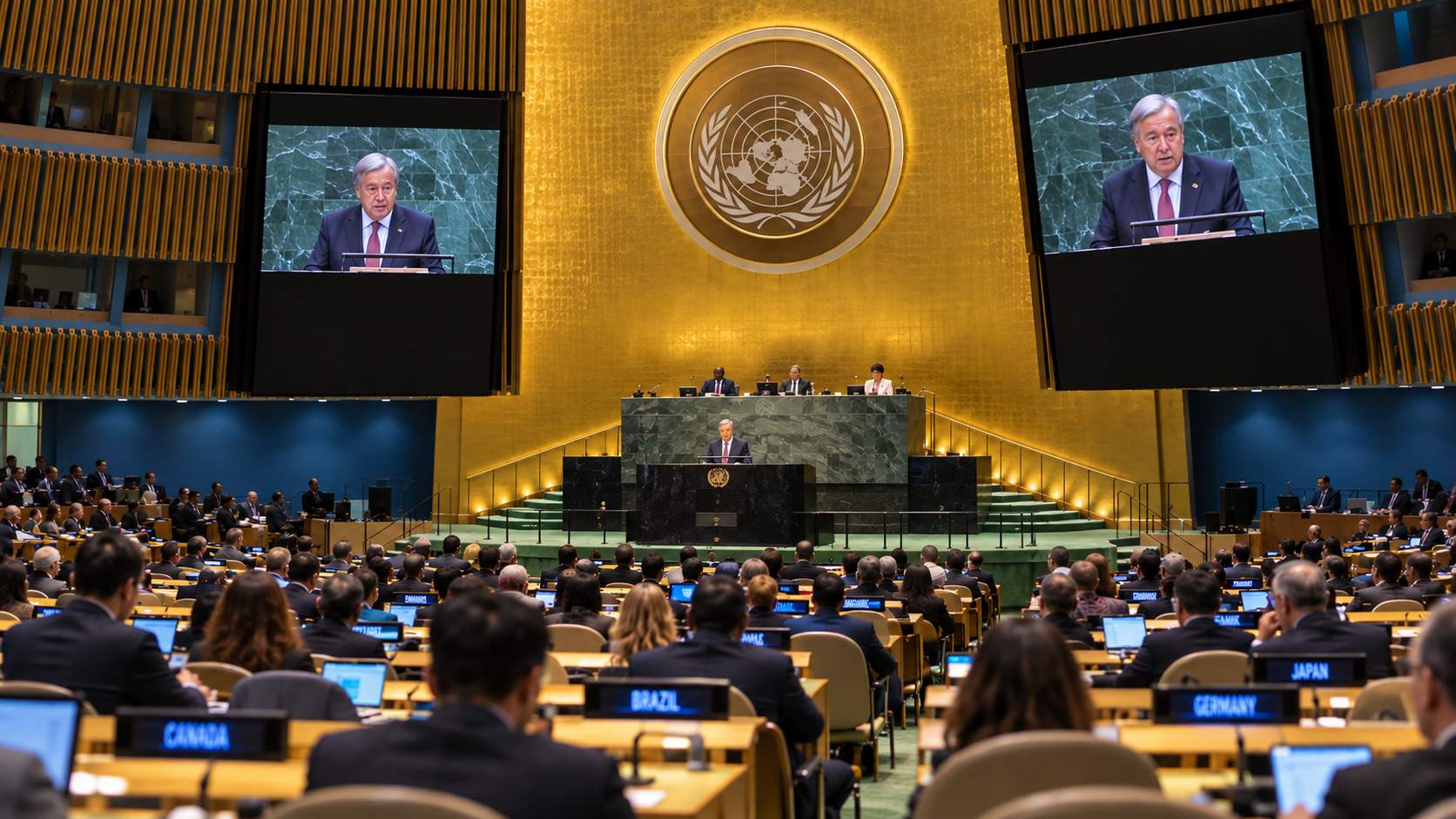
Our House Centre for Human Rights and Relief, a human rights organization working in Lithuania and Belarus, has joined the supporting organizations of the 2026 Joint Civil Society Statement on Disarmament Education and Youth Participation, which has been prepared for submission to the First Committee of the United Nations General Assembly, responsible for disarmament and international security, on 15 October 2026 in New York.
The initiative, developed through consultations with civil society partners around the world and drafted under the leadership of students and faculty at Pace University’s International Disarmament Institute, brings together organizations whose work addresses the humanitarian consequences of armed violence, nuclear disarmament, peace education and the participation of civil society in international security debates. Alongside Our House, the draft identifies Action on Armed Violence (AOAV), the International Disarmament Institute at Pace University and Legacies of War among its supporting organizations, reflecting a shared conviction that sustainable progress towards disarmament depends not only on diplomatic negotiations and international agreements, but also on the ability of societies to understand the consequences of militarization and participate meaningfully in decisions concerning war and peace.
The statement comes at a time when international security discussions are increasingly dominated by military expenditure, weapons modernization and geopolitical confrontation, while the humanitarian consequences of armed conflict, the destruction of civilian infrastructure and the growing risks associated with nuclear weapons continue to affect millions of people. Against this background, the participating organizations argue that disarmament education should no longer be treated as a marginal component of international security policy, since the knowledge, critical awareness and public engagement that it promotes are indispensable to any lasting effort to reduce the reliance on military force.
Why Disarmament Education Matters More Than Ever
One of the central arguments of the statement is that disarmament education must extend considerably beyond the transmission of technical information about weapons, international treaties or arms control mechanisms, because its broader purpose is to enable individuals and communities to understand how militarization affects their lives, recognize the humanitarian and environmental consequences of armed violence, and critically assess political decisions that are frequently presented as unavoidable responses to security threats.
Although the United Nations recognized the importance of disarmament and non-proliferation education in its landmark 2002 study, the organizations observe that education remains an underused instrument of international peacebuilding, despite the considerable changes that have occurred in the global security environment over the past twenty-four years. These changes include not only the modernization of nuclear arsenals and the expansion of military technologies, but also the increasing influence of artificial intelligence, cybersecurity developments and automated systems on decisions that may ultimately determine whether human lives are protected or destroyed.
Particular attention is given to the relationship between education and the contemporary information environment, in which misinformation, historical revisionism and the normalization of military violence can undermine public understanding of the consequences of war. Where societies lack access to reliable information and opportunities for independent reflection, discussions about security risk becoming confined to military and political institutions, while the people who will experience the consequences of their decisions remain excluded from meaningful participation.
The statement therefore emphasizes the importance of educational approaches that develop critical thinking, ethical reasoning and historical awareness, while encouraging people to imagine alternatives to the assumption that military escalation represents the natural or inevitable response to international insecurity.
Young People Should Shape the Future They Will Inherit
The participating organizations devote particular attention to young people, whose lives and opportunities are increasingly affected by armed conflicts, climate-related crises, displacement and the destruction of educational and cultural institutions, even though their influence over the security decisions that shape these developments remains limited.
While acknowledging the progress achieved through United Nations initiatives such as Youth4Disarmament and the Youth Leaders Fund for a World without Nuclear Weapons, the statement emphasizes that meaningful participation requires more than inviting young people to attend international events or contribute occasional statements. Their experiences, perspectives and proposals must instead be recognized as substantive contributions to disarmament discussions, particularly when they come from communities that have experienced war, repression, displacement or other forms of insecurity.
This understanding of youth participation is closely connected to the broader question of democratic accountability in security policy, since decisions concerning military expenditure, weapons development and international confrontation frequently determine the conditions under which younger generations will live for decades to come. If those generations are expected to bear the consequences of contemporary security choices, they must also have opportunities to question the assumptions underlying those choices and participate in developing alternatives.
The Role of Educators, Survivors and Civil Society
Another important dimension of the statement concerns the role of educators, whose contribution to disarmament processes is frequently overlooked despite their direct influence on how people understand armed conflict, international security and the possibilities for peaceful change.
Teachers, university lecturers, journalists, researchers, human rights defenders and peace activists can connect international disarmament debates with the everyday experiences of communities, while helping learners understand the relationship between weapons production, militarization, human rights, environmental degradation and social inequality. The organizations consequently call for stronger cooperation among educational institutions, civil society networks and international organizations, arguing that sustained investment in these relationships would make disarmament education more accessible, inclusive and effective.
The statement also recognizes the indispensable contribution of survivors of armed violence, particularly the hibakusha, whose testimony concerning the atomic bombings of Hiroshima and Nagasaki continues to provide an essential humanitarian perspective on nuclear disarmament. By preserving and transmitting experiences that might otherwise be reduced to historical statistics or abstract strategic calculations, survivors help ensure that discussions about weapons remain connected to the human suffering that their use causes.
At the same time, the organizations underline that access to disarmament education is shaped by inequalities related to disability, gender, social and economic circumstances, national origin and other forms of marginalization, which means that educational programmes cannot be considered genuinely inclusive unless they address the barriers that prevent different communities from participating. The statement therefore calls for accessible educational materials, multilingual resources, cooperation with Indigenous Peoples and greater recognition of knowledge developed outside traditional academic and governmental institutions.
Concrete Expectations for United Nations Member States
Rather than limiting itself to a general expression of concern, the joint statement sets out a series of recommendations intended to strengthen the institutional and financial foundations of disarmament education at national and international levels.
The supporting organizations call upon governments to reinforce the United Nations resolution on disarmament and non-proliferation education by incorporating stronger commitments to the participation of young people, women, persons with disabilities, survivors of armed violence, Indigenous Peoples and civil society organizations, while ensuring that educational programmes receive sufficient and sustainable financial support.
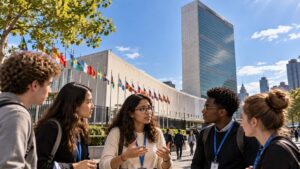
They also encourage Member States to explain publicly how disarmament education contributes to their national policies, provide examples of practical initiatives and connect educational activities with wider commitments concerning human rights, climate action, gender equality and sustainable development. Such measures would help transform disarmament education from a relatively specialized field of international cooperation into a more visible and accountable component of public policy.
The statement further emphasizes the importance of timely national submissions to the United Nations Secretary-General’s reports on disarmament education and youth participation, as well as the need to integrate educational commitments more systematically into disarmament, non-proliferation and arms control frameworks.
One of its most significant proposals is the development of a new United Nations study on disarmament and non-proliferation education, which would update the conclusions of the 2002 study and examine how technological developments, changing patterns of armed conflict and new educational approaches have transformed both the challenges and opportunities facing contemporary disarmament efforts.
Our House: Human Rights, Conscientious Objection and Nuclear Disarmament
For Our House Centre for Human Rights and Relief, supporting this international initiative is a continuation of its work at the intersection of human rights protection, conscientious objection to military service, nuclear disarmament and the prevention of violence, particularly in the context of Belarus and the wider European region.
The organization’s experience demonstrates why discussions about security cannot be separated from questions of individual rights and democratic participation, especially where militarization is accompanied by political repression, restrictions on freedom of expression or pressure against individuals who refuse to participate in military activities on grounds of conscience.
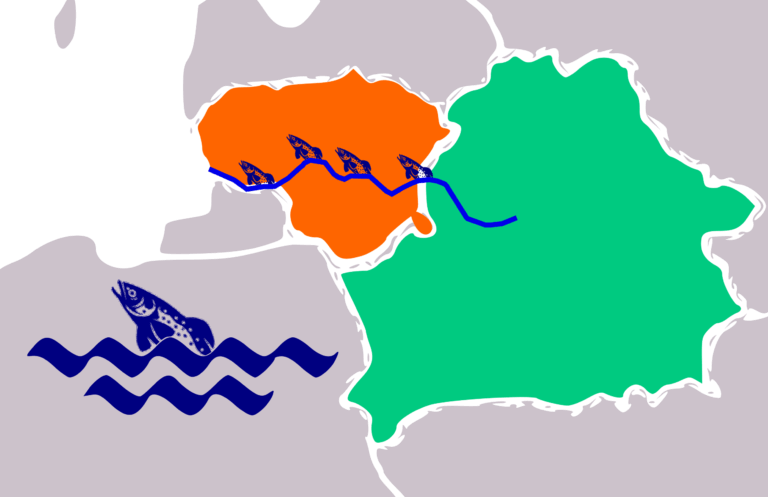
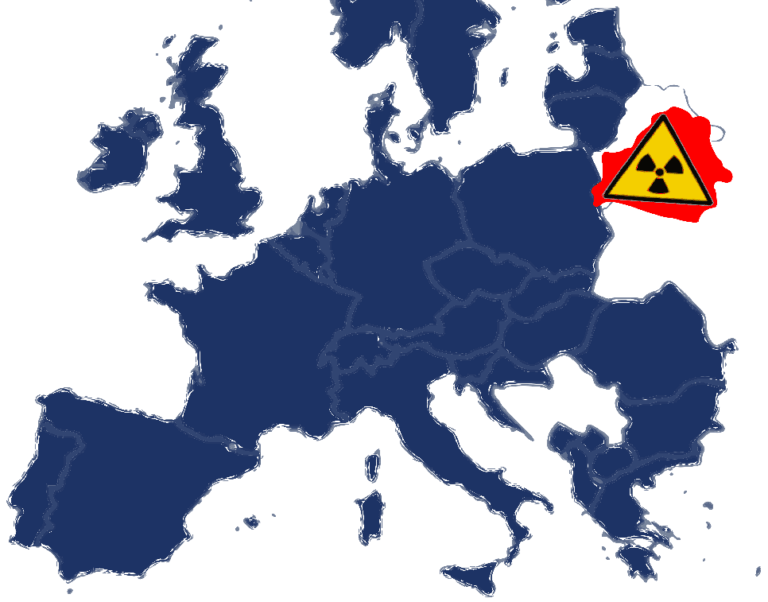
Our House has consistently advocated for the protection of conscientious objectors and for greater international attention to the consequences of militarization in Belarus, while also supporting efforts aimed at eliminating the risks associated with the presence of nuclear weapons on Belarusian territory. These areas of work are connected by the conviction that individuals and communities should not be reduced to passive objects of security policy, particularly when decisions made in the name of national defence may profoundly affect their rights, safety and future.
From this perspective, disarmament education is also an instrument of civic empowerment, because people who understand international humanitarian law, human rights standards, nuclear risks and the possibilities of nonviolent conflict resolution are better equipped to participate in public debate and challenge policies that undermine human security.
The participation of Our House in the joint statement is therefore significant not only as an expression of solidarity with international disarmament organizations, but also as part of its broader engagement with United Nations processes and international civil society networks seeking to strengthen the relationship between disarmament, human rights and democratic accountability.
Towards a Security Culture Based on Knowledge and Human Dignity
The 2026 Joint Civil Society Statement ultimately raises a question that extends beyond the immediate agenda of the United Nations First Committee: whether societies can develop sustainable approaches to security when the knowledge required to understand and evaluate military policies remains concentrated within a relatively narrow circle of political, military and technical specialists.
By calling for sustained investment in education, greater recognition of survivors’ experiences and meaningful participation by young people and marginalized communities, the supporting organizations seek to establish a broader understanding of disarmament as a public responsibility rather than an exclusively diplomatic or military undertaking.
For Our House, this approach is consistent with the principle that security must be evaluated not simply by the number of weapons available to states or the scale of their military capabilities, but also by the extent to which individuals can exercise their fundamental rights, participate in decisions affecting their lives and live without the constant threat of armed violence.
As governments prepare to discuss disarmament and international security at the United Nations General Assembly, the joint statement offers a reminder that a world less dependent on weapons cannot be created through treaties and negotiations alone, unless societies also develop the knowledge, institutions and democratic capacity necessary to sustain peace.
By joining this international civil society initiative, Our House reaffirms its commitment to a vision of security in which education, human dignity, democratic participation and the prevention of violence are recognized as essential foundations of lasting peace.