
Peace House
Selected by our editors
Essential reading
Latest
-
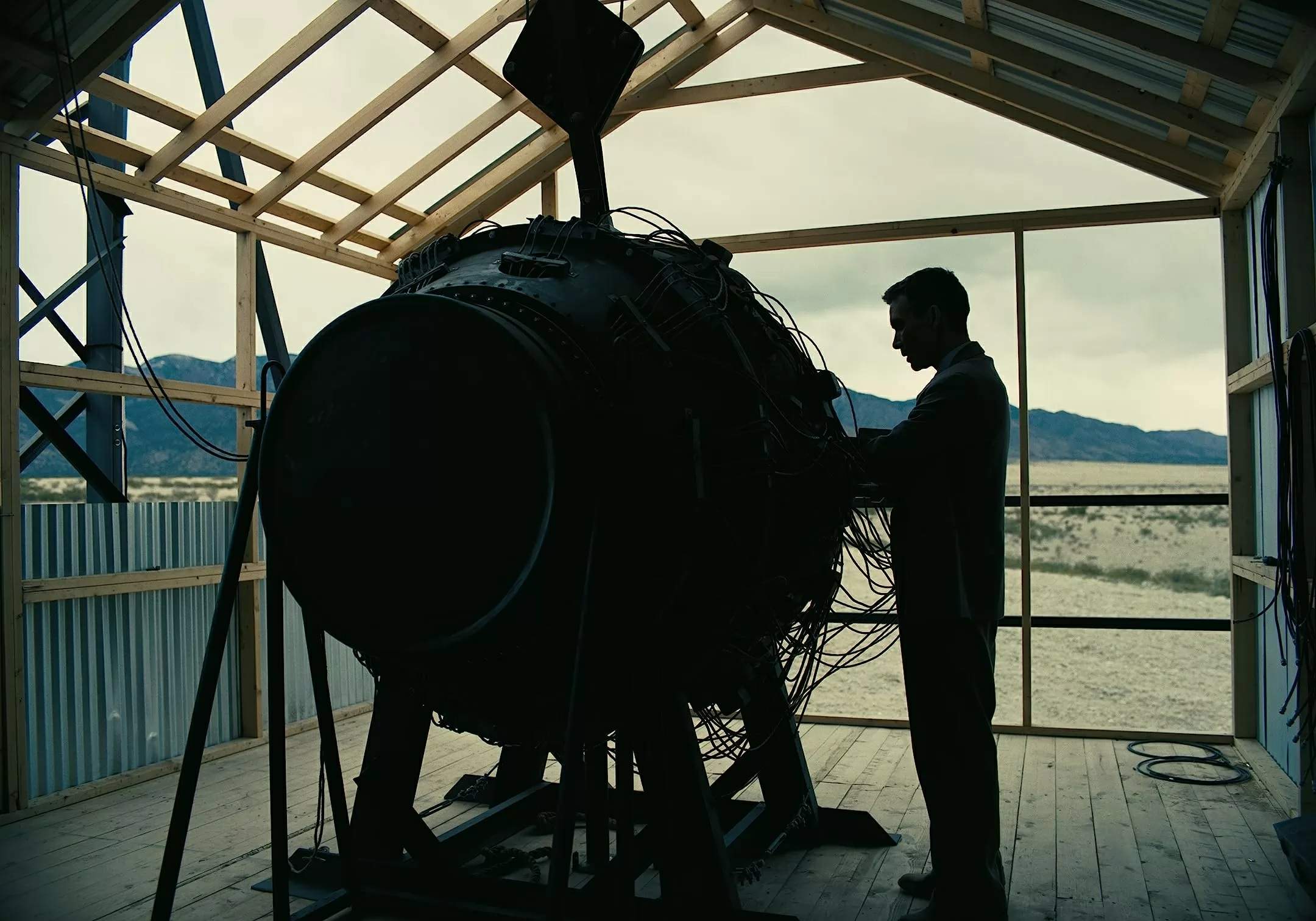
If the Bomb Never Explodes, That Does Not Mean It Leaves No Trace
Why the environmental cost of nuclear deterrence belongs in the security debate There is a rather strange system of accounting in nuclear policy. We carefully count warheads and missiles, range and flight time, and the capacity to launch a retaliatory strike, yet we are far less likely to count the land, water and human lives…
-
EU Erasmus+ Project: 12-Member Our House Delegation Heads to Helsinki to Meet Finnish MPs
Young Belarusians will discuss peace, human rights, and refugee challenges in Helsinki. Ten young Our House activists and two former Belarusian political prisoners will spend a week in Helsinki participating in an international project funded by the European Union through the Erasmus+ programme. The project focuses on human rights, peace, democratic participation, and conscientious objection…
-
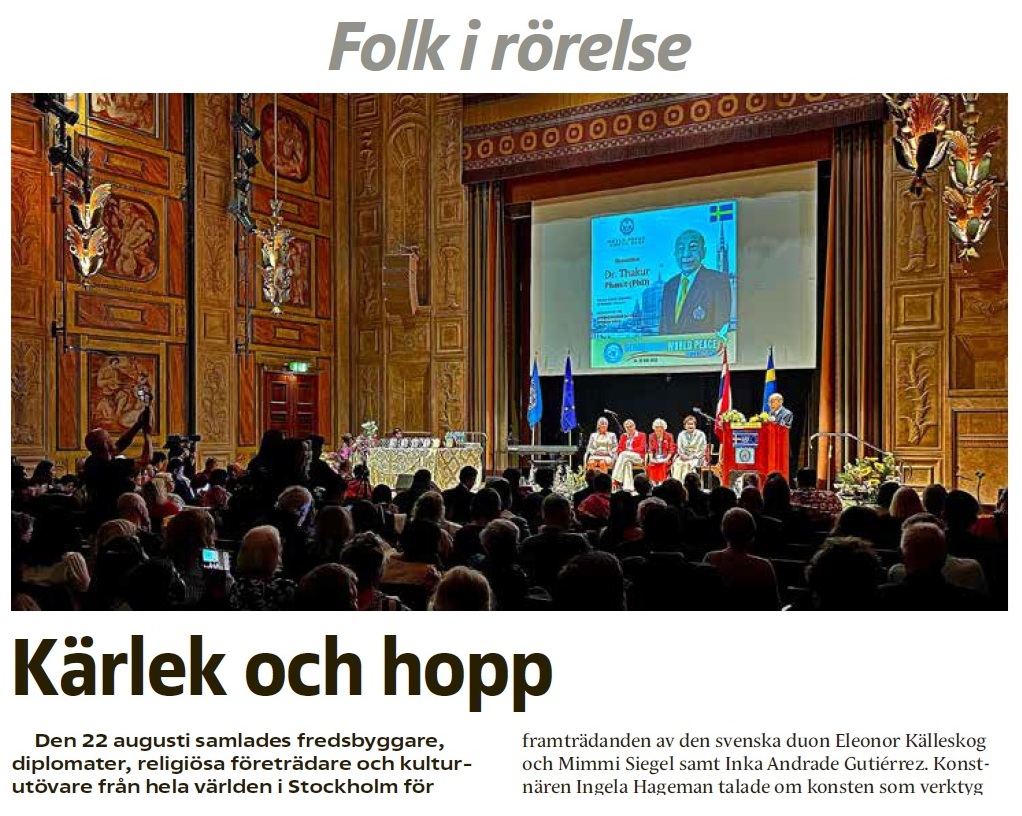
Olga Karach’s Speech at World Peace Award 2026 Published in Swedish Magazine Ställ om!
Swedish magazine publishes Olga Karach’s reflections on peace, war and nonviolence worldwide. Swedish magazine Ställ om!, which focuses on peace and climate justice, has published a speech by Belarusian human rights defender and head of the human rights organisation Our House, Olga Karach, delivered at the World Peace Award 2026 in Stockholm. The speech, entitled…
-
Our House Prepares Policy Input to Shape Europe’s Next Gender Action Plan IV (GAP IV) for 2028–2034
Our House brings exile women’s voices into Europe’s future gender equality policy. Our House Centre for Human Rights and Relief has prepared a policy contribution to the development of the European Union’s next Gender Action Plan IV (GAP IV) for 2028–2034, following an invitation shared by colleagues from PeaceWomen Across the Globe. The official regional…
-
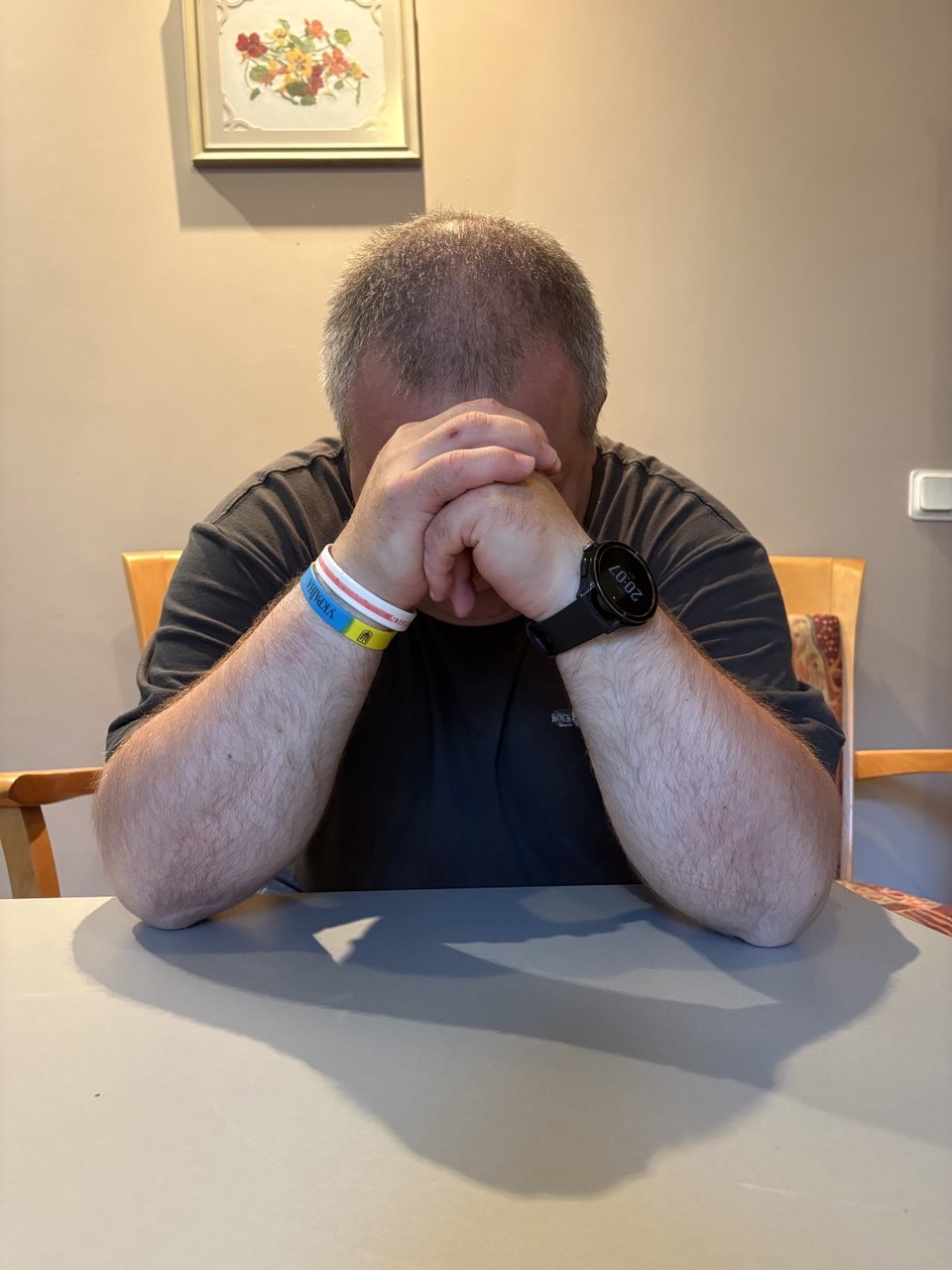
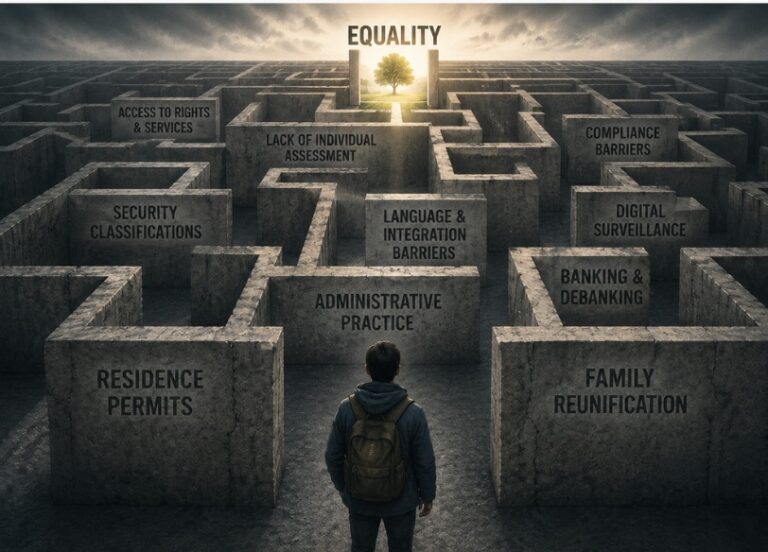
From Minsk to Vilnius: Transnational Repression, the Case of Maksim
The European Parliament warns that modern transnational repression often appears as a chain of seemingly lawful decisions. Maksim’s story shows how this mechanism can already operate inside the European Union—gradually depriving a former Belarusian political prisoner of his safety, livelihood, and hope. Why Contemporary Transnational Repression in Europe Is Almost Impossible to Recognize For many…
-
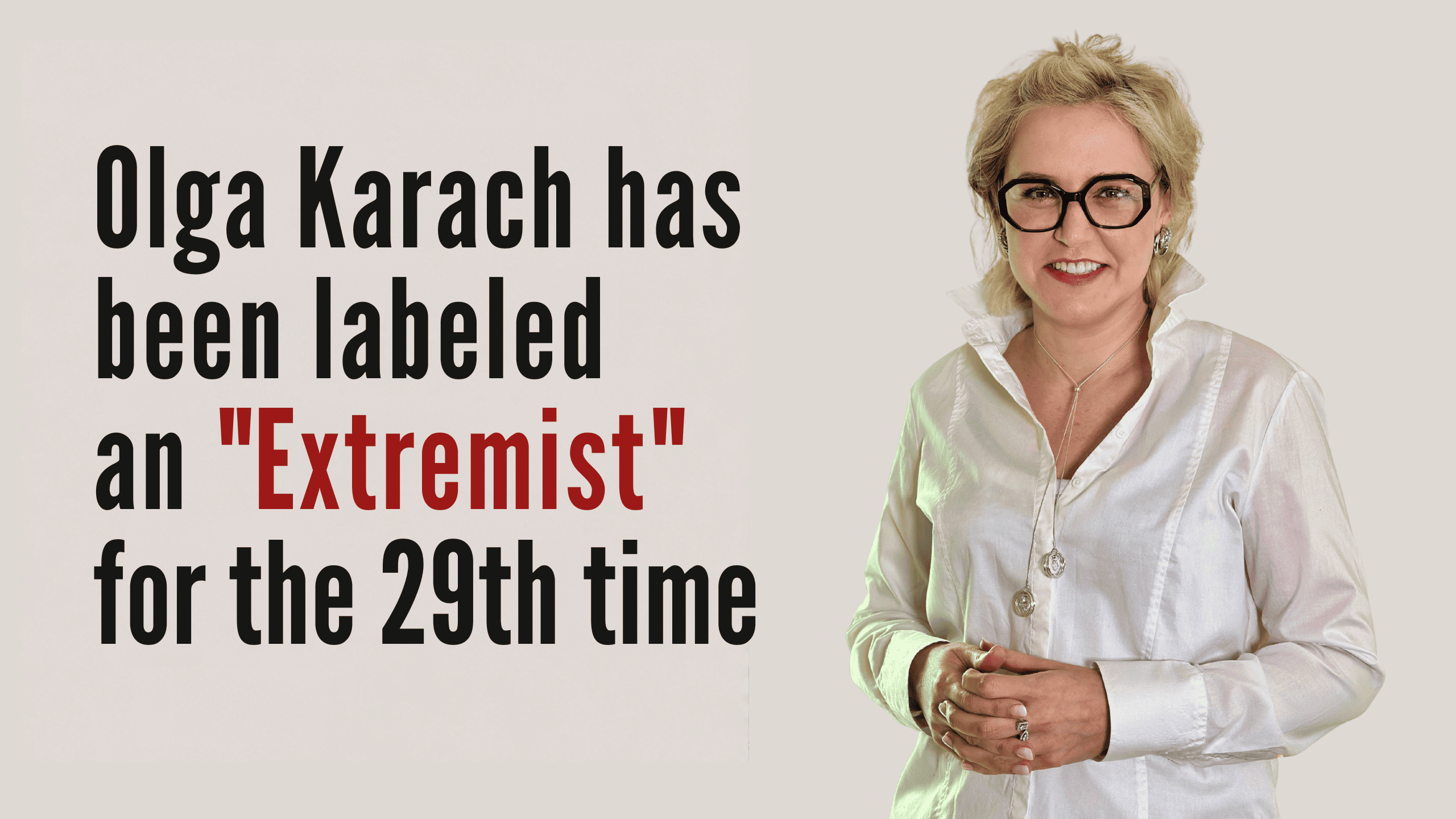
Olga Karach has been labeled an «extremist» 29 times — a record in Lukashenko’s campaign against Belarusian civil society.
Olga Karach, organisations affiliated with her, and the activities of Our House have now been labelled «extremist» or «terrorist» by Lukashenko’s regime 29 times. This is a record number of repressive labels imposed on a Belarusian human rights defender and the organisations and initiatives associated with her. Olga Karach was included in the list of…
-
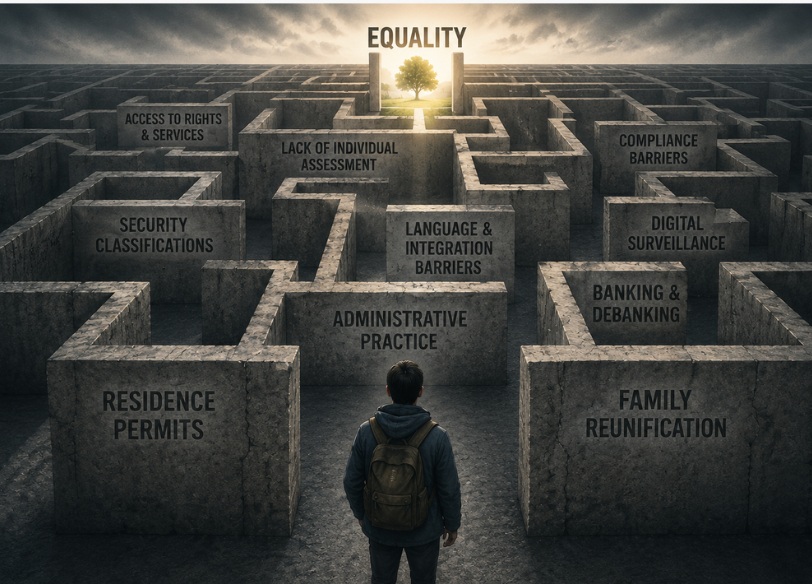
Closing Equality Gaps: Lessons from Lithuania for Reviving the Horizontal Equal Treatment Directive
Lithuania reveals why stronger EU equality law requires independent implementation and accountability mechanisms. Addressing Structural and Intersectional Discrimination Policy Brief Our House Centre for Human Rights and Relief 1. Executive Summary The Horizontal Equal Treatment Directive represents a critical opportunity to modernise EU equality law and close persistent protection gaps. While existing legislation offers important…
-

Our House in Numbers: One Week, 1.23 Million Views, Nearly 25,000 Interactions
One week of digital human rights advocacy reached more than 1.23 million people across major platforms. During the past week, Our House Centre for Human Rights and Relief generated 1,237,883 views across Facebook, Instagram, YouTube, TikTok and partner media channels. During the same period, audiences recorded 24,748 interactions through likes, comments, shares and other forms…
-

Call to Action: Seeking Justice for the Murder of Political Cartoonist Semyon Skrepetsky
Russian political cartoonist and artist Semyon Skrepetsky was shot dead in Poland after years of criticizing war, authoritarianism, and political violence. This appeal calls on European institutions to ensure an independent investigation and to address the broader threats facing artists, journalists, and political exiles across Europe. The killing of Semyon Skrepetsky raises questions that extend…
-

The European Parliament Supports Our House’s Campaign for the Release of Aliaksandra Pulinovich
The European Parliament has demanded the immediate release of Aliaksandra Pulinovich and all political prisoners in Belarus. On 18 June 2026, the European Parliament adopted a resolution on the situation of political prisoners in Belarus, paying particular attention to the case of the minor political prisoner Aliaksandra Pulinovich. Members of the European Parliament demanded her…
-
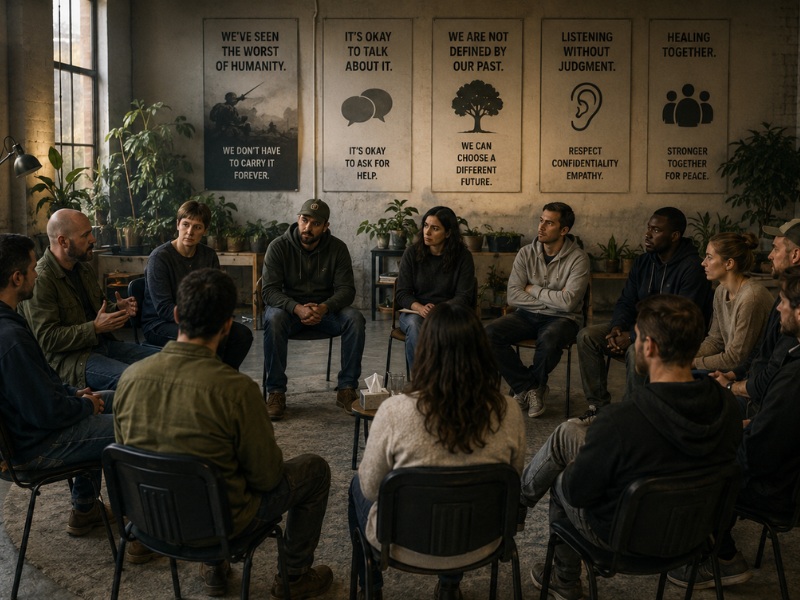
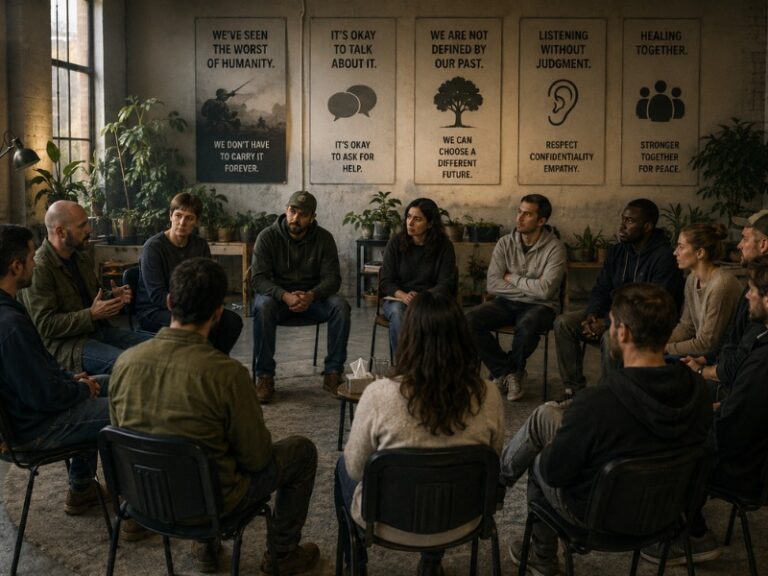
Conscientious Objection, Former Combatants and Democratic Security: Preventing the Reproduction of War in Eastern Europe
Context Core challenge: War creates not only destruction, but also the people through whom it can return. Security rationale: Supporting conscientious objectors, deserters and former combatants is not only a humanitarian or social policy concern. It is an investment in preventing future violence and reducing the risk of renewed escalation. Target groups: Former combatants, conscientious…
-
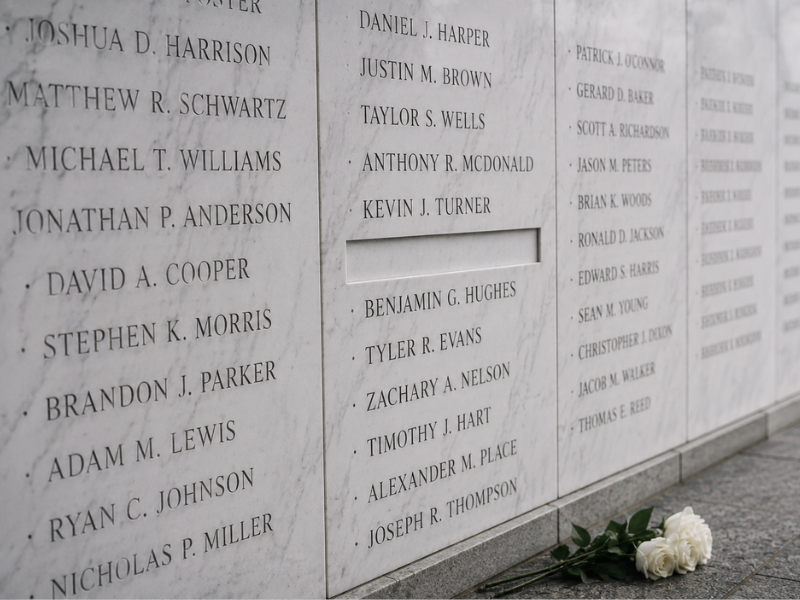
Those Who Never Make It into the History Books
They left no monuments, won no medals, and rarely appear in history books. Yet their quiet courage may be among war’s most important stories. When we speak about war, we tend to think first of shattered cities, of lives lost beneath bombardment, of shifting borders, or of armies colliding on the battlefield. Yet every war…
-
IGFM – To Our House, with an “Extremist” Greeting
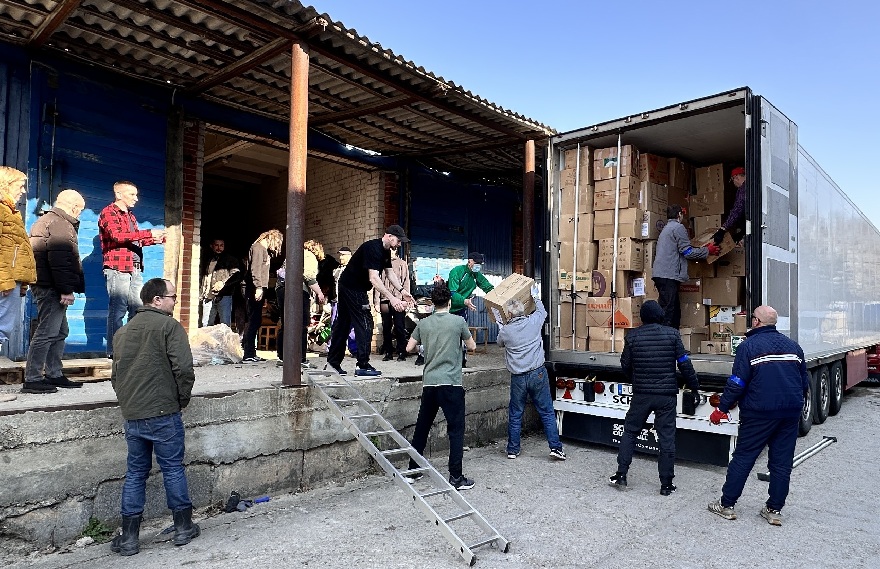
Once again, America is sending astronauts to the Moon, and once again the IGFM Wittlich Working Group is dispatching a humanitarian convoy to Our House. This truckload of aid is the 21st in total, and the cumulative volume of distributed assistance has long exceeded 300 tonnes. For both organizations, this volunteer work has become routine.…
-

How EU public funds risk enabling environmental degradation and militarisation in the Neris river basin
The Neris River – known upstream in Belarus as the Viliya – is a transboundary ecosystem of high ecological value. It is also a case where EU public funding frameworks are being positioned in ways that risk enabling outcomes that directly contradict the environmental objectives they are meant to support. Flowing from Belarus through Vilnius…
-
Connection e.V. stands up at the UN with WRI for conscientious objectors and human rights defenders from Belarus
«Connection e.V.», in partnership with «War Resisters’ International» (WRI) delivered an oral statement in the plenary of the UN Human Rights Council in Geneva during the discussion on the report presented by Ms. Karinna Moskalenko, Chair of the Group of Independent Experts on the situation of human rights in Belarus. The representative of Belarus refused…
-
A partner of «Our House» labeled extremist in Belarus
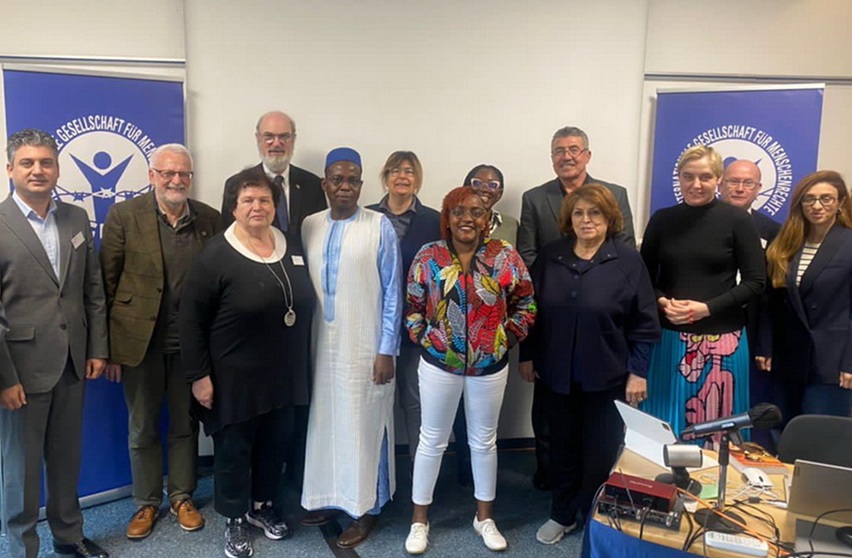
Social Media Of International Human Rights Organization labeled «Extremist» In Belarus Belarus’s Information Ministry has updated the “Republican List of Extremist Materials“. Among other items, it now includes pages on Instagram, X and Facebook of the International Society for Human Rights (Internationale Gesellschaft für Menschenrechte / IGFM). The corresponding decision was made on 10 March…
-
23 Years Ago, Olga Karach Won and Became the Only Opposition Deputy in the Vitebsk City Council
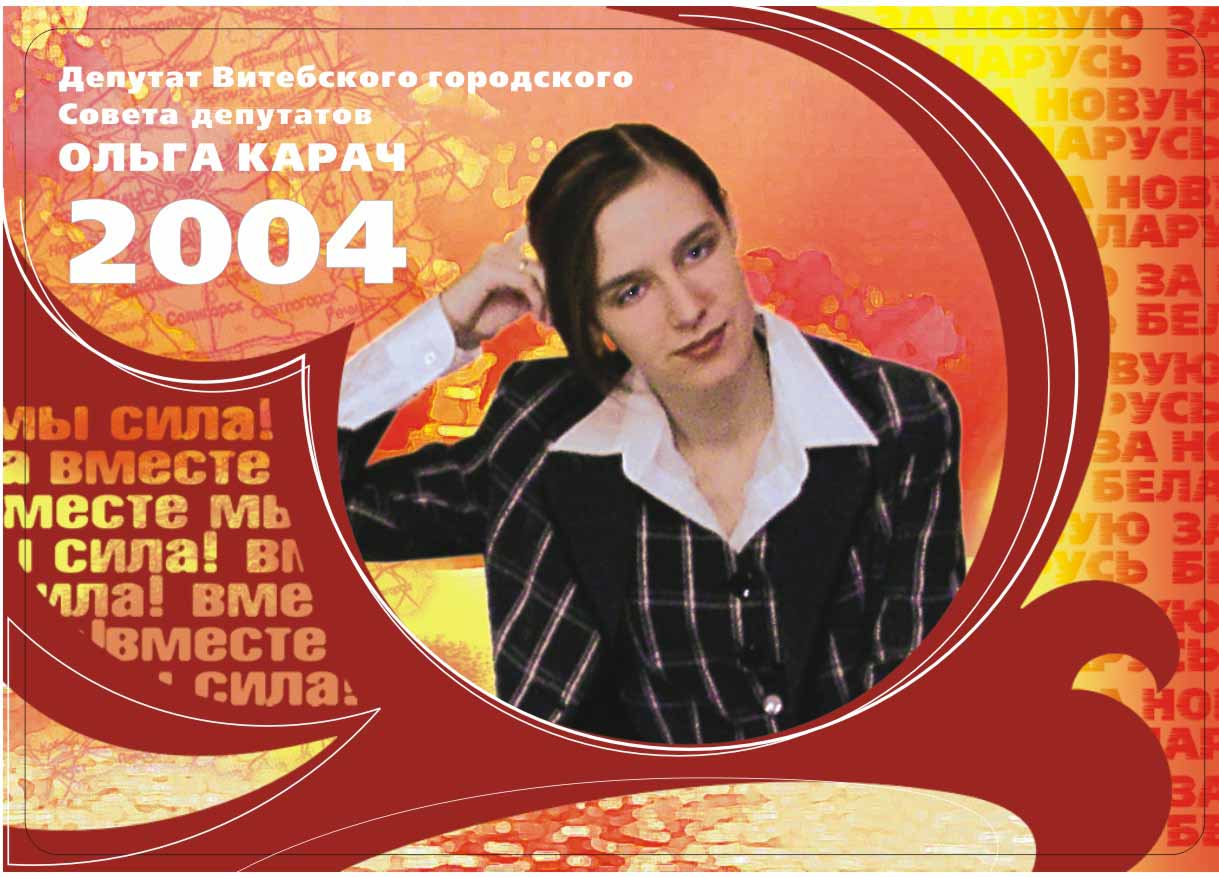
Twenty-three years ago, on March 2, 2003, Olga Karach won a seat in the Vitebsk City Council in the first round of voting, becoming the only opposition deputy and the youngest member of the council at that time. During the 2003 local elections in Vitebsk’s Industrial District No. 15, the civic campaign “Our House,” created…
-
Annual Report Systemic Human Rights Violations in Belarus Denial of the Right to Conscientious Objection and Forced Military Service
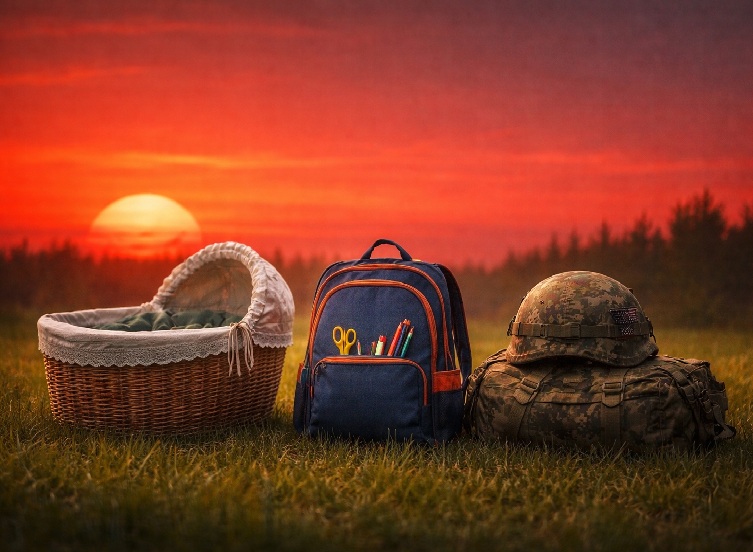
How military logic in Belarus becomes a social norm from early childhood, displacing the right to refuse service. Submitted by “Our House” 2025 This report examines how, in 2025, militarization in Belarus has taken shape as a continuous system of state coercion that accompanies individuals throughout their lives. It traces how kindergartens, schools, military-patriotic clubs,…
-
Olga Karach declared extremist in Belarus for the 25th time
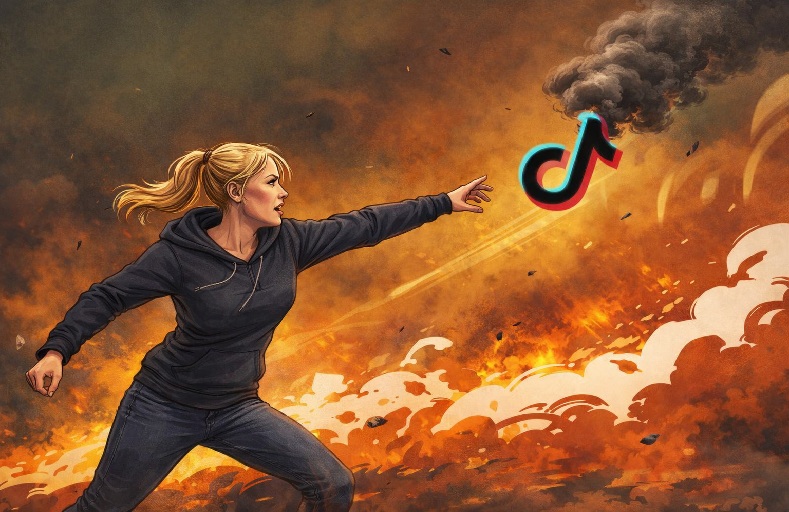
Belarus criminalizes Olga Karach again, marking her twenty-fifth designation as extremist today. On 20 January, the Baranovichi and Baranovichi District Court declared the TikTok page of Olga Karach to be “extremist material.” From this moment, in Belarus any distribution, reposting, quoting, or even public support of materials from Olga Karach’s TikTok page and from the…
-
Humanitarian Aid to Belarusian, Russian and Ukrainian Refugees under Attack by Belarusian Security Services
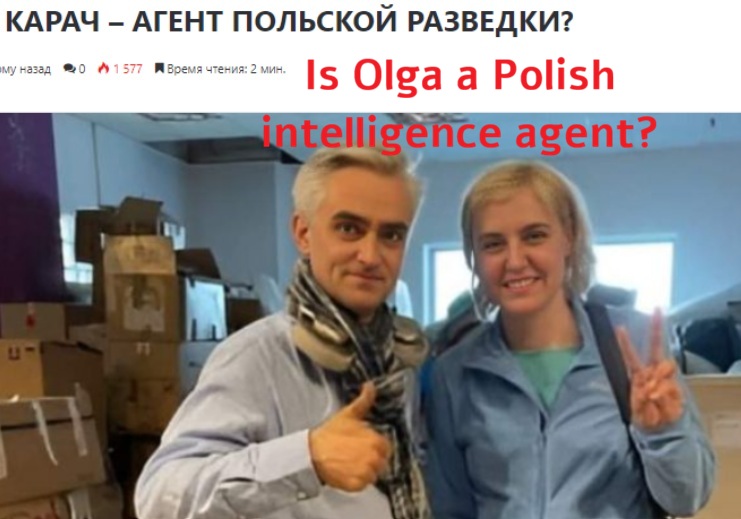
Belarusian security services criminalize humanitarian aid, targeting volunteers supporting refugees across Lithuania, Poland, and Latvia. The humanitarian activities of the Belarusian human rights organisation in exile “Our House”, carried out jointly with IGFM / Arbeitsgruppe Wittlich (Germany), have been officially labeled as extremist by the Republic of Belarus, despite the fact that this assistance is…