Save Neris-Vilija
Selected by our editors
Essential reading
Latest
-
When War Reaches the River
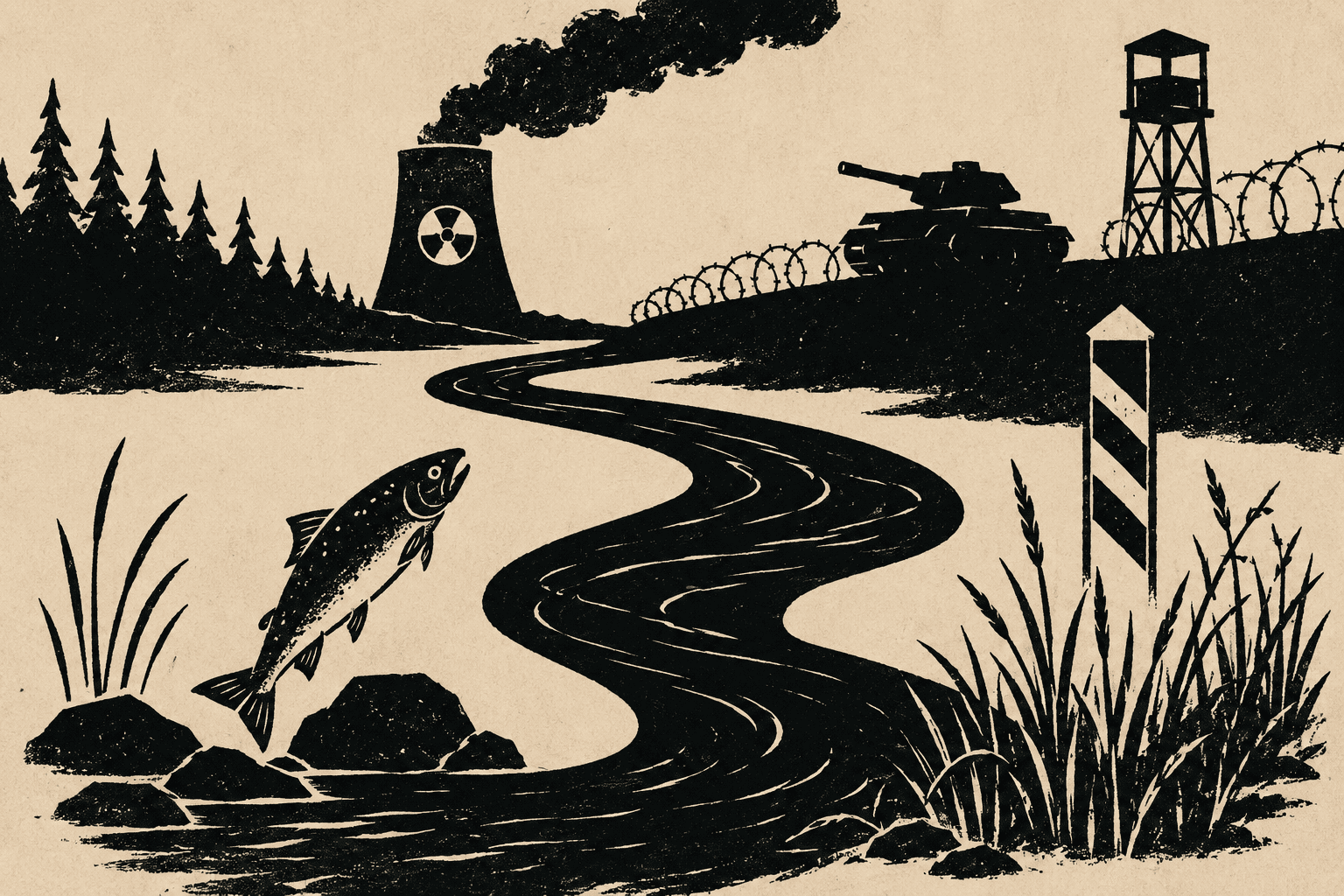
How Militarisation Is Changing the Environment of Eastern Europe — Long Before the First Shot Is Fired By Olga Karach When we talk about the environmental consequences of war, we usually picture scenes of destruction: burning forests, bombed-out industrial facilities, contaminated soil, damaged dams, oil on the water, mines scattered across fields that once produced…
-

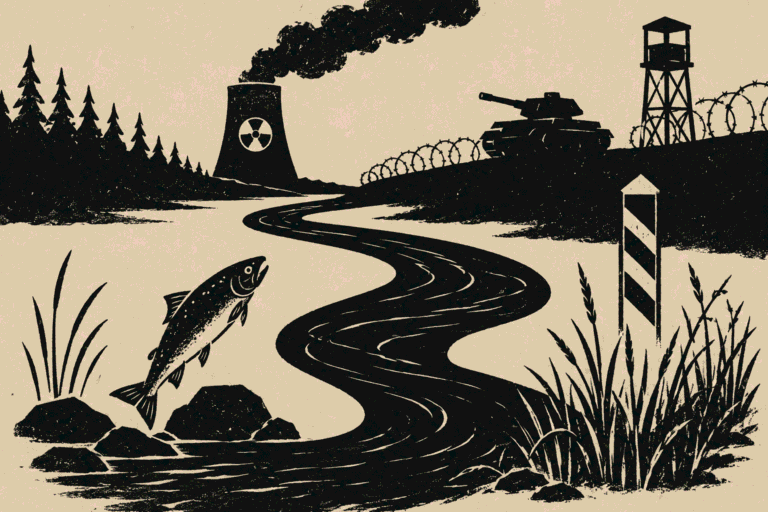
Vilnius Begins to See the Neris as a River, Not a Military Asset
In recent years, the Neris River has become the subject of an unusual public debate. Alongside efforts to preserve its unique ecosystem, proposals emerged to transform the river into a transport corridor for wartime evacuation. Among the ideas discussed were large-scale river engineering works intended to make the Neris navigable for evacuating the population of…
-
Formal Compliance with the WFD Without Full Achievement of Environmental Objectives (Lithuania)
Lithuania meets EU water policy requirements, yet many rivers still fail ecological standards Country: Lithuania (in the EU context) Problem formulation As an EU Member State, Lithuania formally complies with the requirements of the Water Framework Directive (WFD), including the development of river basin management plans, the implementation of monitoring programmes, and the submission of…
-
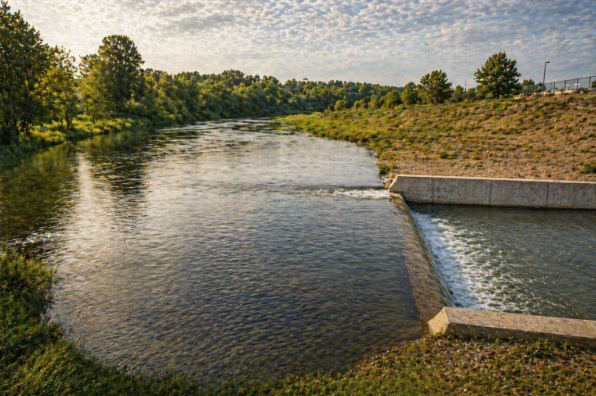
Hydromorphological Changes and Infrastructure Pressure on the Neris River (Lithuania)
Engineering interventions in the Neris River raise concerns over ecosystem degradation and environmental sustainability Country: Lithuania Problem formulation Within the territory of Lithuania, the Neris River is subject to hydromorphological alterations associated with engineering interventions and infrastructure projects. These interventions are intended to modify key characteristics of the river, including depth, flow dynamics, and channel…
-
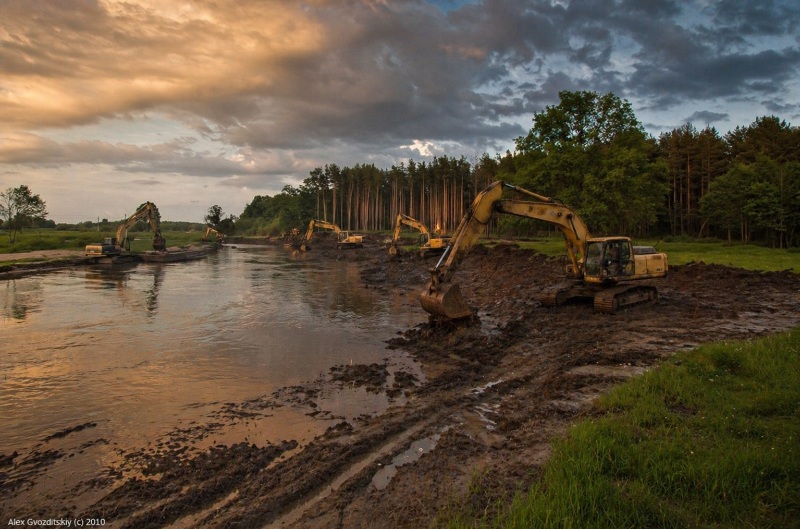
Lithuania: Use of the Neris River as a Logistical and Strategic Military Corridor
Lithuania’s plans to use the Neris River as infrastructure raise environmental and policy concerns Country: Lithuania Problem formulation In Lithuania, the Neris River is considered not only as a natural ecosystem but also as a potential logistical, transport, and, in a broader context, strategic military corridor. This perspective is reflected in projects and public discussions,…
-

Pressure from Military Infrastructure and Militarisation on the Water System (Belarus + Lithuania)
Militarisation in the Vilija–Neris basin creates growing risks for transboundary water management and monitoring Countries: Belarus + Lithuania Problem formulation Within the transboundary Vilija–Neris basin, military infrastructure is present on the territories of both Belarus and Lithuania, including training grounds, military zones, and other defence-related facilities. Such areas typically operate under restricted access and special…
-

Lack of a Comparable Transboundary Monitoring System (Belarus–Lithuania)
Incompatible monitoring systems hinder transboundary water assessment between Belarus and Lithuania under EU rules Countries: Belarus + Lithuania Problem formulation The Vilija–Neris River constitutes a single transboundary water body, the management of which, under the Water Framework Directive (WFD), should be carried out at the level of the entire river basin. However, monitoring systems and…
-

Risk of Non-Transparent Activities and Uncontrolled Discharges in the Vilija Basin (Belarus)
Limited transparency in Belarus increases risks of undetected pollution affecting downstream Lithuanian waters Country: Belarus and its political context → implications for Lithuania Problem formulation On the territory of Belarus, the Vilija River and its associated water bodies are used for various types of economic activity, including industrial water use, agriculture (notably pig farming), and…
-
Belarus: Astravets Nuclear Power Plant as a Source of Long-Term Water Risk in the Vilija Basin
Upstream nuclear plant raises transparency concerns and long-term water risks for Lithuania’s river basin How Belarus and its political context influence policy and the environment in downstream Lithuania Problem formulation The Astravets Nuclear Power Plant (BelNPP), located in Belarus near the Lithuanian border (some call it Ostrovets, as they translate the name from Russian, since…
-
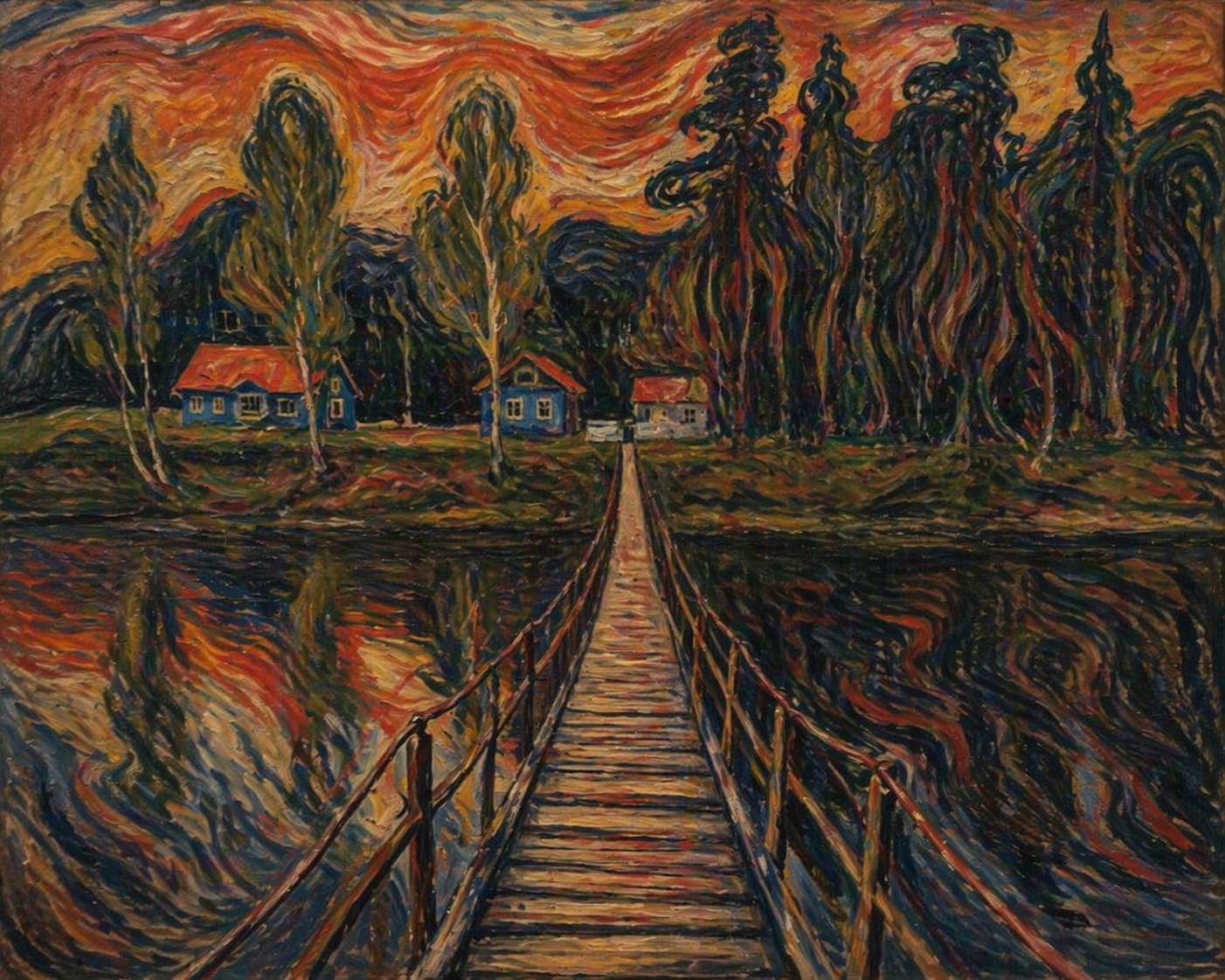
Transboundary Pollution Without an Operational Early Warning and Response Mechanism
Lack of coordinated early warning systems exposes Lithuania to unmonitored upstream pollution risks. Country: Belarus and its political context → implications for Lithuania Problem formulation The Vilija River, which becomes the Neris on the territory of Lithuania, constitutes a single transboundary watercourse in which any pollution originating upstream on the Belarusian side may have downstream…
-
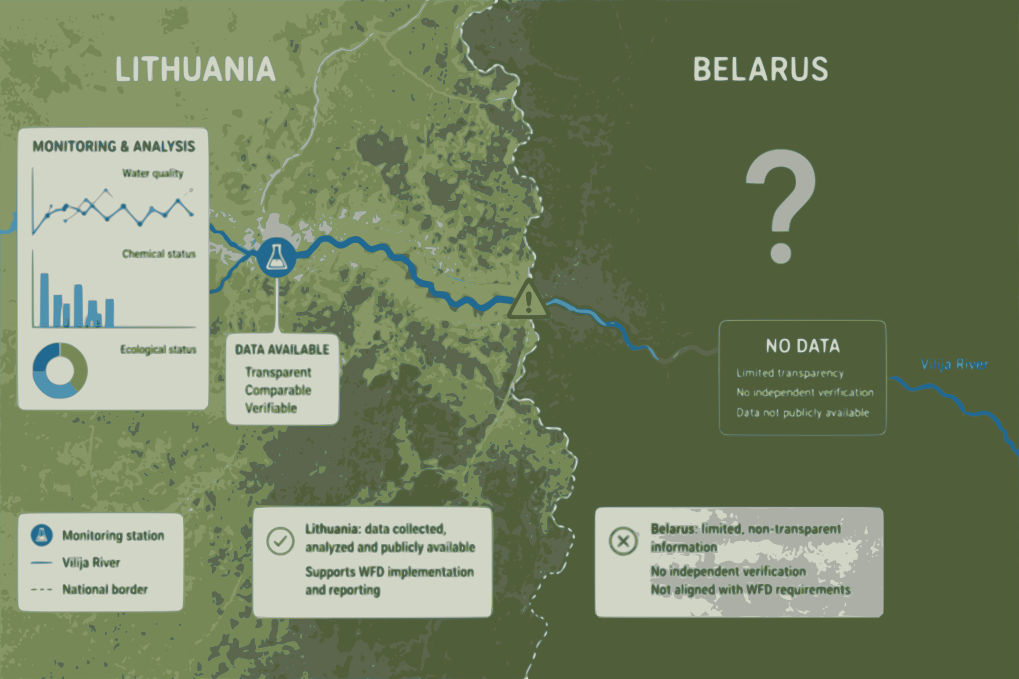
Belarus: Absence of Independent, Objective, and Verifiable Monitoring on the Vilija
Limited transparency in Belarus’s water monitoring creates systemic risks for Lithuania’s downstream WFD compliance. Country context: Belarus and its political climate, and its implications for Lithuania Problem formulation In Belarus, water resource monitoring, including hydrological monitoring of rivers in the Nemunas basin (including the Vilija River), is carried out within a centralized state environmental monitoring…
-
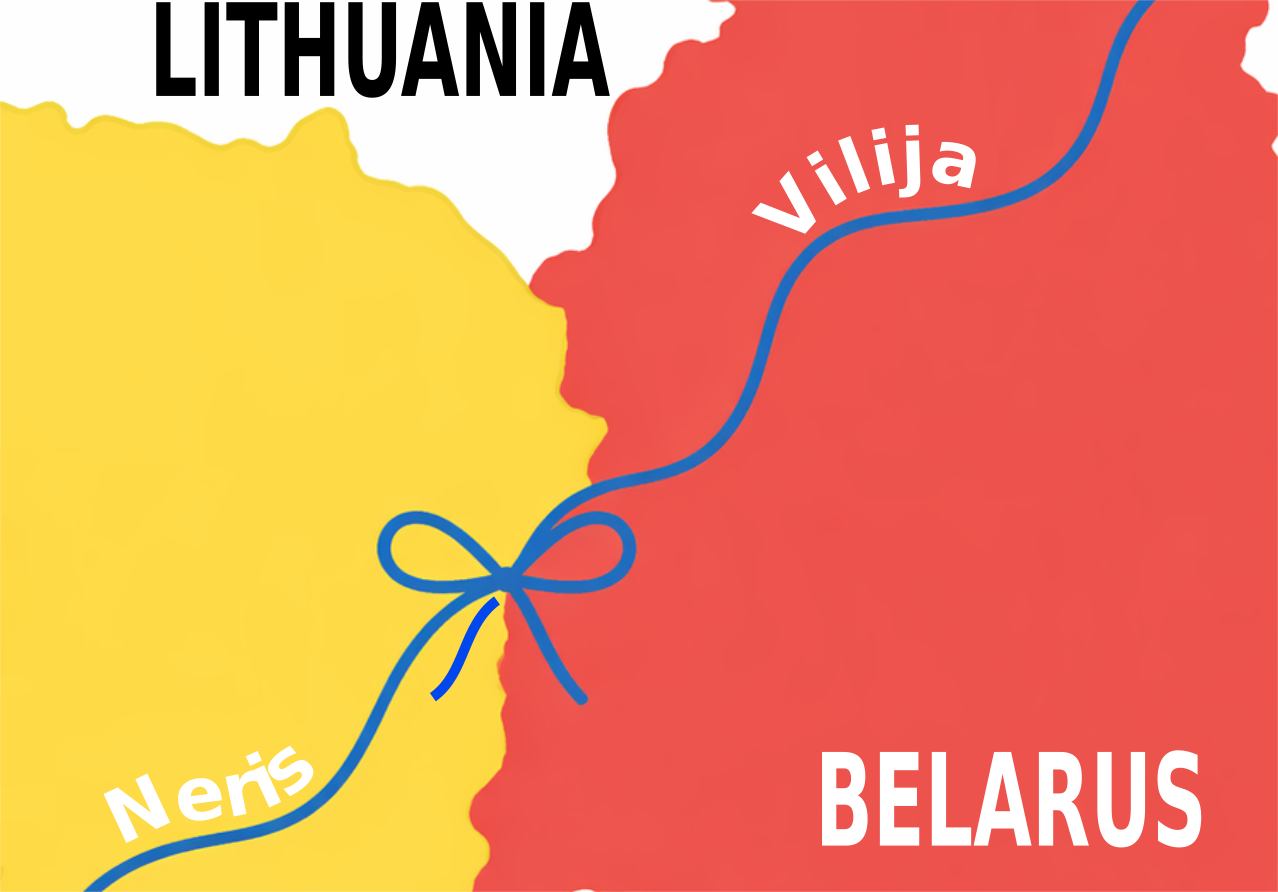
Contribution to the Structured Dialogue on WFD Implementation in Lithuania: Transboundary Challenges in the Vilija–Neris River Basin
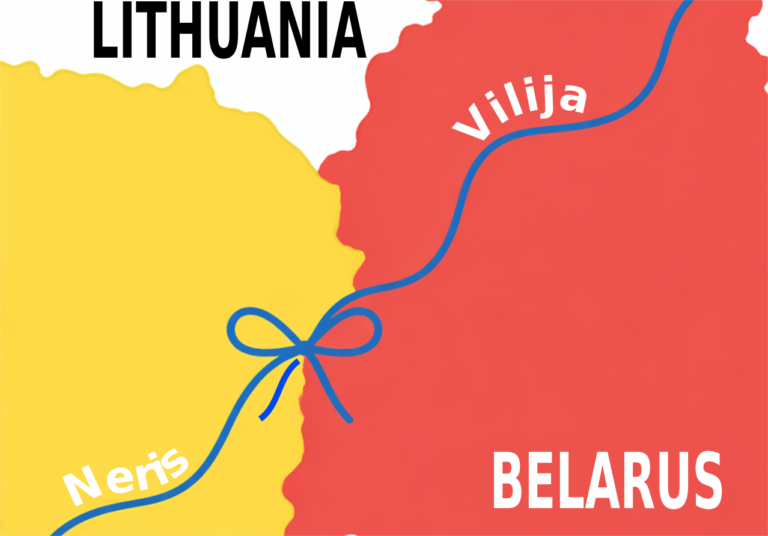
Transboundary gaps and upstream risks hinder Lithuania’s Water Framework Directive goals in the Vilija–Neris basin Executive Summary The Vilija River (known in Lithuania as the Neris) is a transboundary water system flowing from Belarus into Lithuania, where it joins the Nemunas River and ultimately drains into the Baltic Sea. Therefore, its environmental condition is shaped…
-
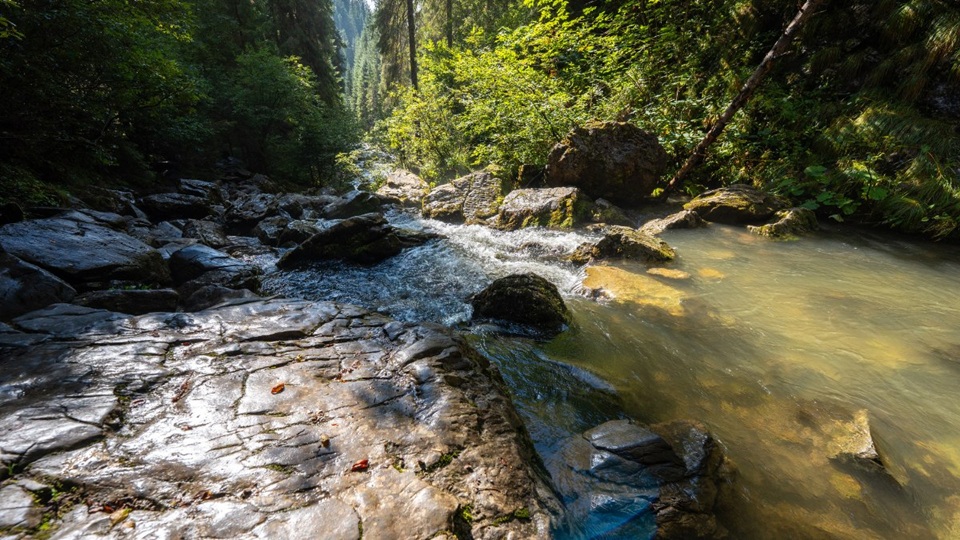
Let rivers run! Romania’s water management at a crossroads
I grew up in Romania in the 1970s, at a time when the creeks and rivers of my home region still ran freely, shaped by their own rhythms rather than by concrete and steel. As a child, I played along their banks and learned their curves by heart. By the 1980s, those same waters were…
-
How EU public funds risk enabling environmental degradation and militarisation in the Neris river basin
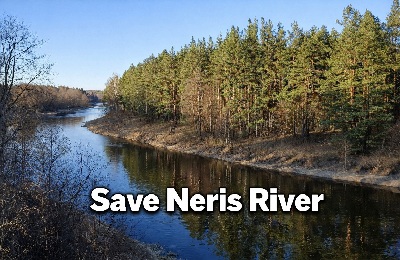
The Neris River – known upstream in Belarus as the Viliya – is a transboundary ecosystem of high ecological value. It is also a case where EU public funding frameworks are being positioned in ways that risk enabling outcomes that directly contradict the environmental objectives they are meant to support. Flowing from Belarus through Vilnius…
-

Sign the Petitions to Protect the Viliya•Neris River and the Wild Baltic Salmon
The Viliya–Neris is one of the last largely intact river ecosystems in the Baltic region – a vital migration corridor for Wild Baltic Salmon and a lifeline for protected Natura 2000 habitats. Yet this living river is increasingly exposed to overlapping nuclear, ecological and infrastructural risks. The Astravets nuclear plant in Belarus – already associated…
-

The Neris as a Front Line: Smuggling, Radiation, and Evacuation by River
Today, the very same river is viewed simultaneously as a migration corridor for wild salmon, as a possible evacuation route for a capital city, and as a channel for discharging future man-made risks from Belarus’s nuclear program. These scenarios are incompatible, and a choice must be made now. Together with the salmon, we tell the…
-
Transboundary River Security Risks in the Viliya/Neris Basin Under Rising Region Militarization
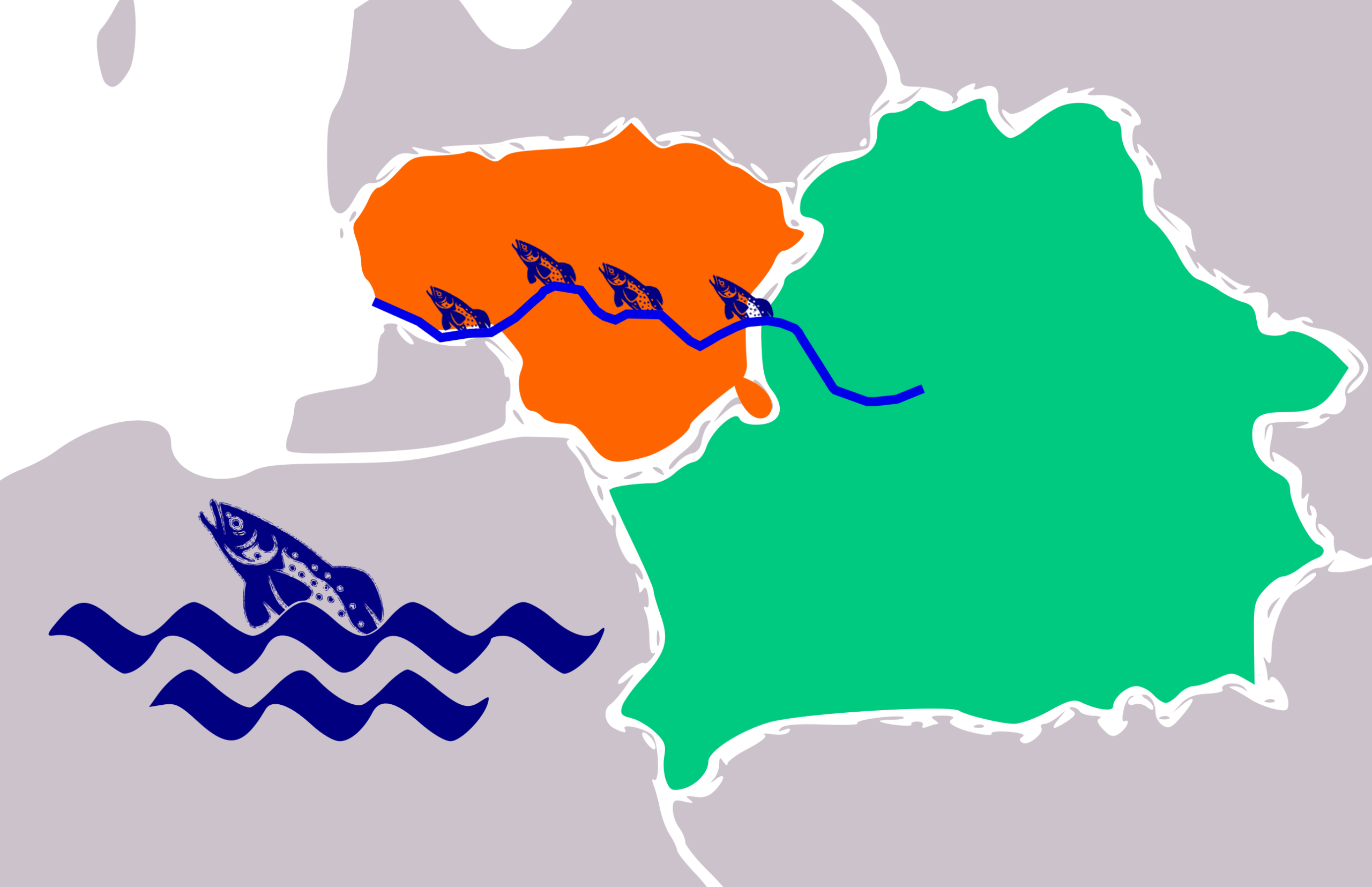
A fragile Baltic watercourse faces mounting pressure as nuclear operations, military mobility projects, and ecosystem obligations collide. The Viliya–Neris basin now holds overlapping nuclear, environmental, and strategic functions. Its role as a protected Natura 2000 corridor contrasts sharply with its use as the primary cooling source for the Belarusian NPP and with expanding Lithuanian military…
-

Support Neris–Viliya: Buy a Charity Calendar
The Neris—known in Belarus as the Viliya—is not only a unique transboundary river connecting currently hostile states: Russia, Belarus, Lithuania and, ultimately, the Baltic Sea. It is also a biological corridor of last resort and a living bridge. Wild salmon can still migrate into Belarus only through this river. Everywhere else, hydroelectric dams have cut…