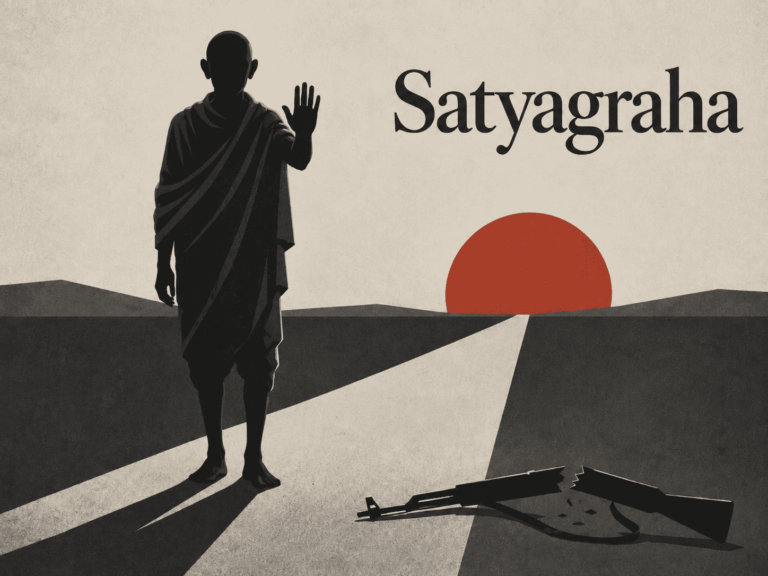

Olga Karach examines conscientious objection and the challenges of overcoming militarist thinking.
The November issue of the German newspaper Graswurzelrevolution features “Not Everyone Who Refuses to Fight Wants Peace”, an article by human rights defender Olga Karach, head of Our House. She explores contradictions in attitudes towards conscientious objectors and explains why protecting the right not to take up arms is only the first step towards overcoming the logic of war.
The article appears on page 18 of issue 513, dated November 2026, with the subtitle “Why Conscientious Objection Is Only the Beginning of Demilitarisation”. It draws on four years of work with Belarusian, Russian and Ukrainian conscientious objectors, deserters and people seeking to avoid returning to military service.
Karach asks whether conscientious objection is recognised as a universal human right or whether attitudes towards it are shaped by geopolitical interests.
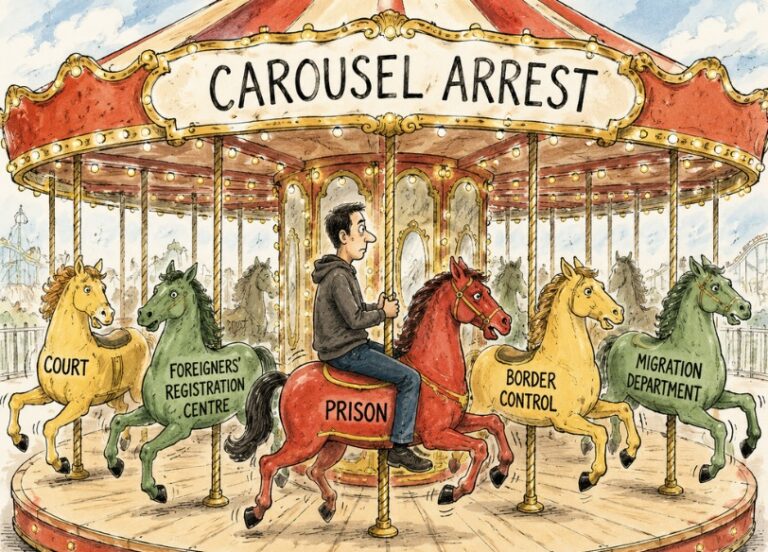
Another contradiction lies in the gap between public support for conscientious objectors and the willingness to offer them practical protection. As long as someone is seen as a symbol of resistance to an authoritarian regime, their decision may inspire solidarity. Yet when they seek asylum, their motives and sincerity come under scrutiny. Political approval of a refusal to serve does not always translate into the opportunity to live safely outside one’s country of origin.
Karach also addresses a difficult question within the antimilitarist movement itself: a personal unwillingness to participate in war does not necessarily mean rejecting a militarist worldview. Someone may defend their own right not to fight while supporting further militarisation and believing that others should fight instead.
In the author’s view, this contradiction should not be grounds for denying protection. The right not to be forced to participate in killing must not depend on a person’s moral perfection or their ability to articulate consistent pacifist convictions.
Karach’s article highlights the human dimension of a future peace. While protecting those who refuse to fight, European societies must also create conditions in which the logic of war is no longer reproduced in everyday life, politics or relationships between people.