
Olga Karach
-
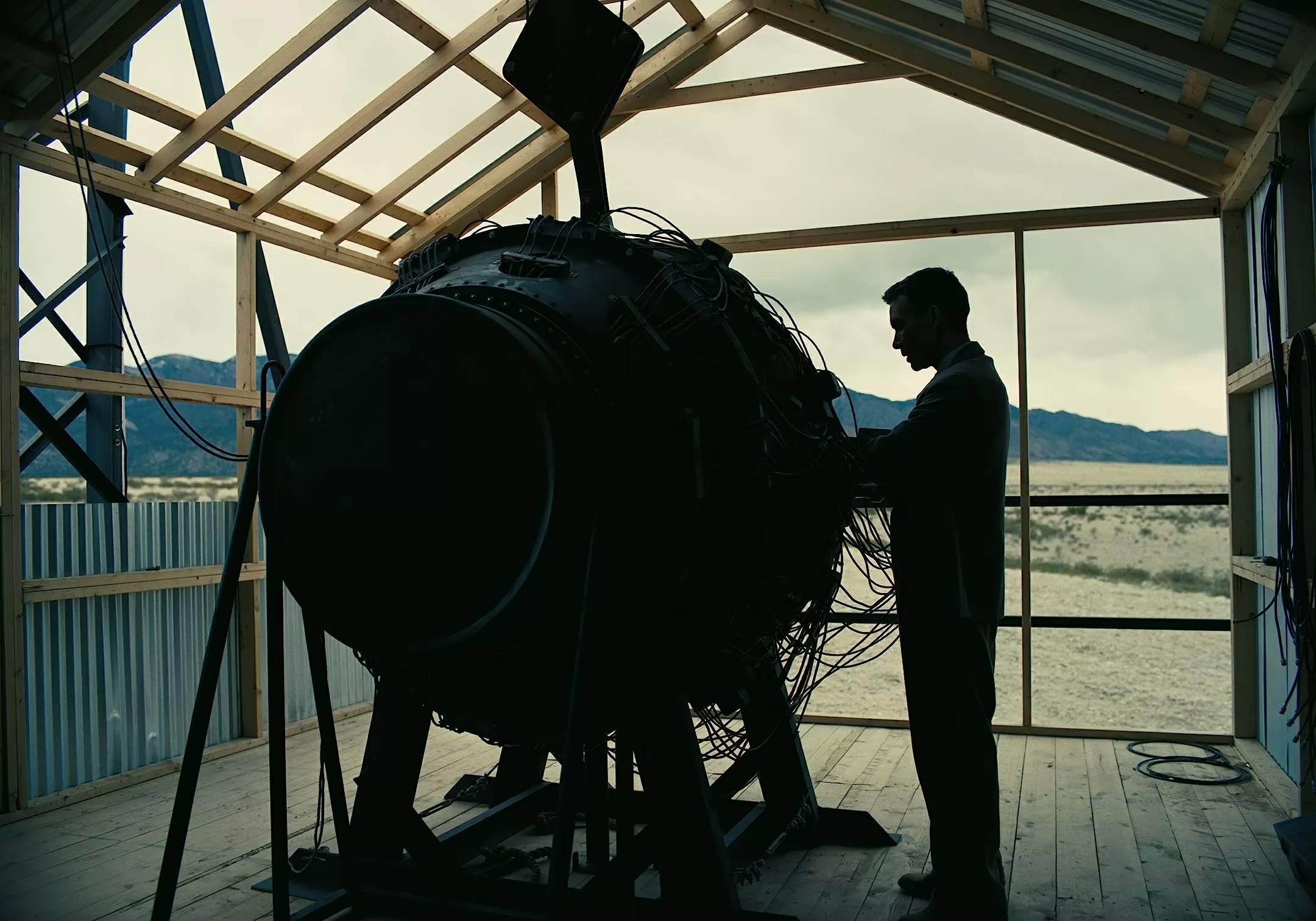
If the Bomb Never Explodes, That Does Not Mean It Leaves No Trace
Why the environmental cost of nuclear deterrence belongs in the security debate There is a rather strange system of accounting in nuclear policy. We carefully count warheads and missiles, range and flight time, and the capacity to launch a retaliatory strike, yet we are far less likely to count the land, water and human lives…
-

Shadow Report on Systemic Gaps in Lithuania’s Security Model and Their Consequences for People, Democratic Institutions and the European Union
Gaps in VSD Activities and Institutional Accountability in the Context of Lithuanian National and European Security Period covered: 2020–2026 Prepared on the basis of open-source intelligence (OSINT) and a comparative analysis of the annual assessments by VSD and AOTD 26 September 2026 Executive Summary Lithuania’s model of public reporting on national security systematically narrows security…
-
IFOR Statement Calls for Protection of Belarusian, Russian and Ukrainian Conscientious Objectors
IFOR urges Europe to protect conscientious objectors from Belarus, Russia and Ukraine. The International Fellowship of Reconciliation (IFOR) submitted a written statement on conscientious objection to the 63rd session of the UN Human Rights Council. Issued on 22 September 2026 under agenda item 10, the statement bears the reference A/HRC/63/NGO/67. IFOR is an international peace…
-
EU Erasmus+ Project: 12-Member Our House Delegation Heads to Helsinki to Meet Finnish MPs
Young Belarusians will discuss peace, human rights, and refugee challenges in Helsinki. Ten young Our House activists and two former Belarusian political prisoners will spend a week in Helsinki participating in an international project funded by the European Union through the Erasmus+ programme. The project focuses on human rights, peace, democratic participation, and conscientious objection…
-
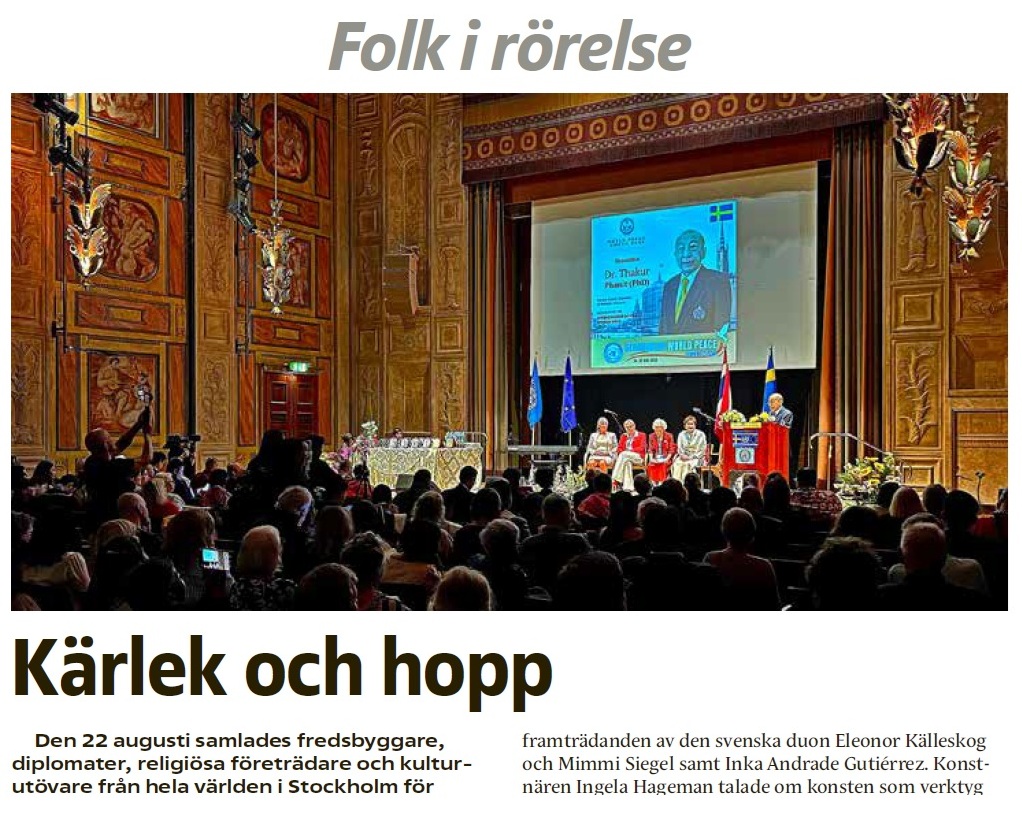
Olga Karach’s Speech at World Peace Award 2026 Published in Swedish Magazine Ställ om!
Swedish magazine publishes Olga Karach’s reflections on peace, war and nonviolence worldwide. Swedish magazine Ställ om!, which focuses on peace and climate justice, has published a speech by Belarusian human rights defender and head of the human rights organisation Our House, Olga Karach, delivered at the World Peace Award 2026 in Stockholm. The speech, entitled…
-
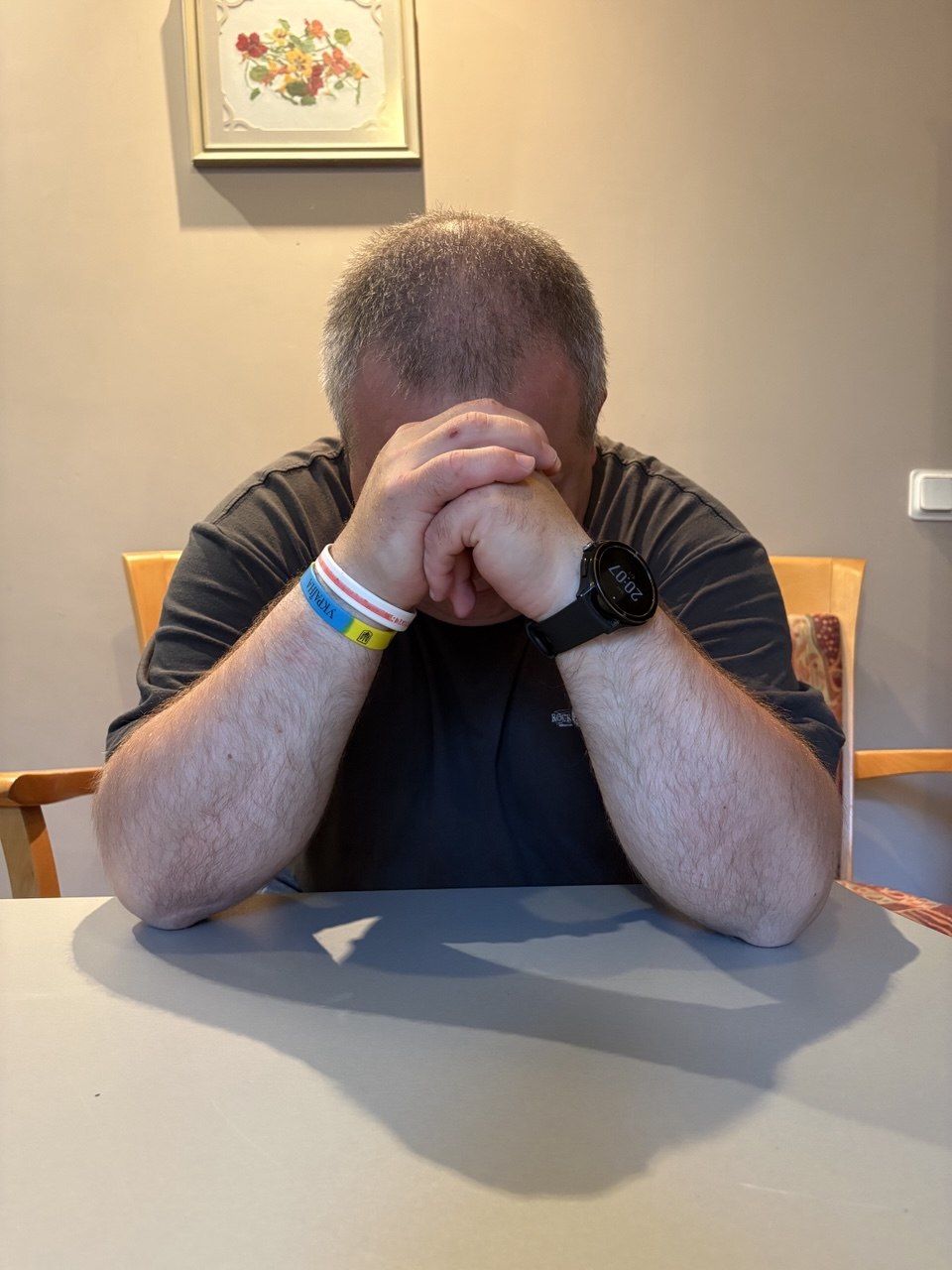
From Minsk to Vilnius: Transnational Repression, the Case of Maksim
The European Parliament warns that modern transnational repression often appears as a chain of seemingly lawful decisions. Maksim’s story shows how this mechanism can already operate inside the European Union—gradually depriving a former Belarusian political prisoner of his safety, livelihood, and hope. Why Contemporary Transnational Repression in Europe Is Almost Impossible to Recognize For many…
-
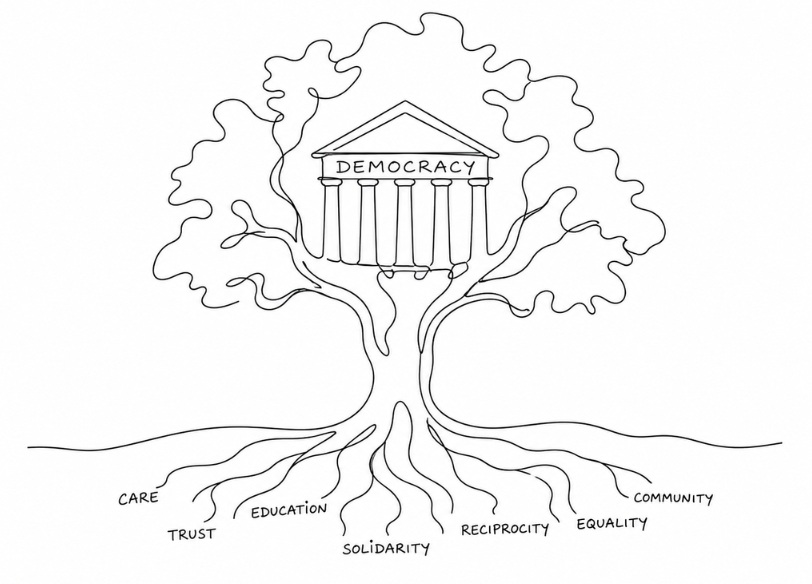
Reconceptualising Care: Why Democratic Theory Needs Care
Why do democratic institutions weaken even when they remain formally intact? This article argues that democracy depends not only on elections and laws, but also on care—the social practices that cultivate trust, participation and the capacities citizens need to sustain democratic life. Democracy is often judged by the strength of its institutions, yet institutions alone…
-

Our House Launches Morning Paranoia in Partnership with ElevenLabs
Our House is launching a new multilingual podcast, Morning Paranoia, in partnership with ElevenLabs. Hosted by Olga Karach, the weekly series combines human rights reporting, political analysis, and dark humor to explain the realities of authoritarianism—one Friday morning at a time. Our House is proud to announce the launch of a brand-new podcast series, Morning…
-

Reconceptualising Democracy: Democracy as Everyday Practice
What makes democracy endure after elections are over? This feminist analysis argues that democratic resilience is built through everyday practices of care, trust, participation and solidarity, showing that institutions survive only when the social relationships sustaining them remain strong. Why do democracies weaken even when elections, constitutions and courts remain in place? This article explores…
-
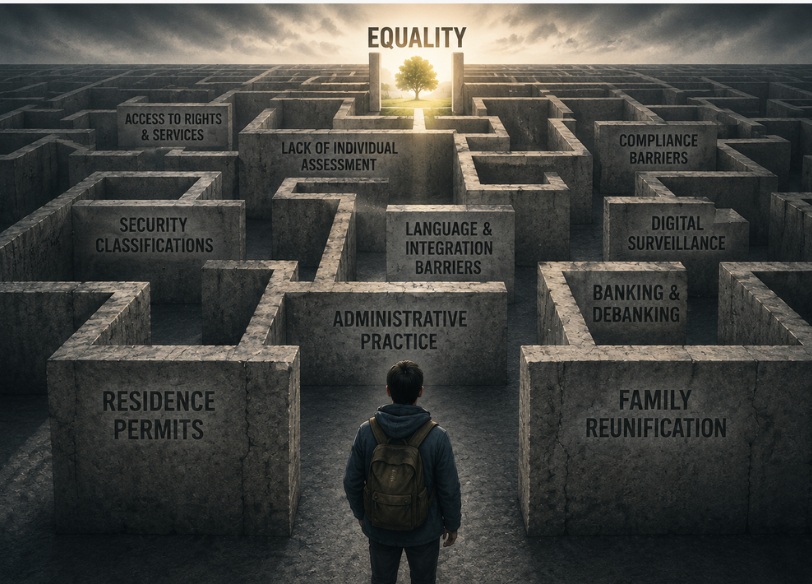
Closing Equality Gaps: Lessons from Lithuania for Reviving the Horizontal Equal Treatment Directive
Lithuania reveals why stronger EU equality law requires independent implementation and accountability mechanisms. Addressing Structural and Intersectional Discrimination Policy Brief Our House Centre for Human Rights and Relief 1. Executive Summary The Horizontal Equal Treatment Directive represents a critical opportunity to modernise EU equality law and close persistent protection gaps. While existing legislation offers important…
-
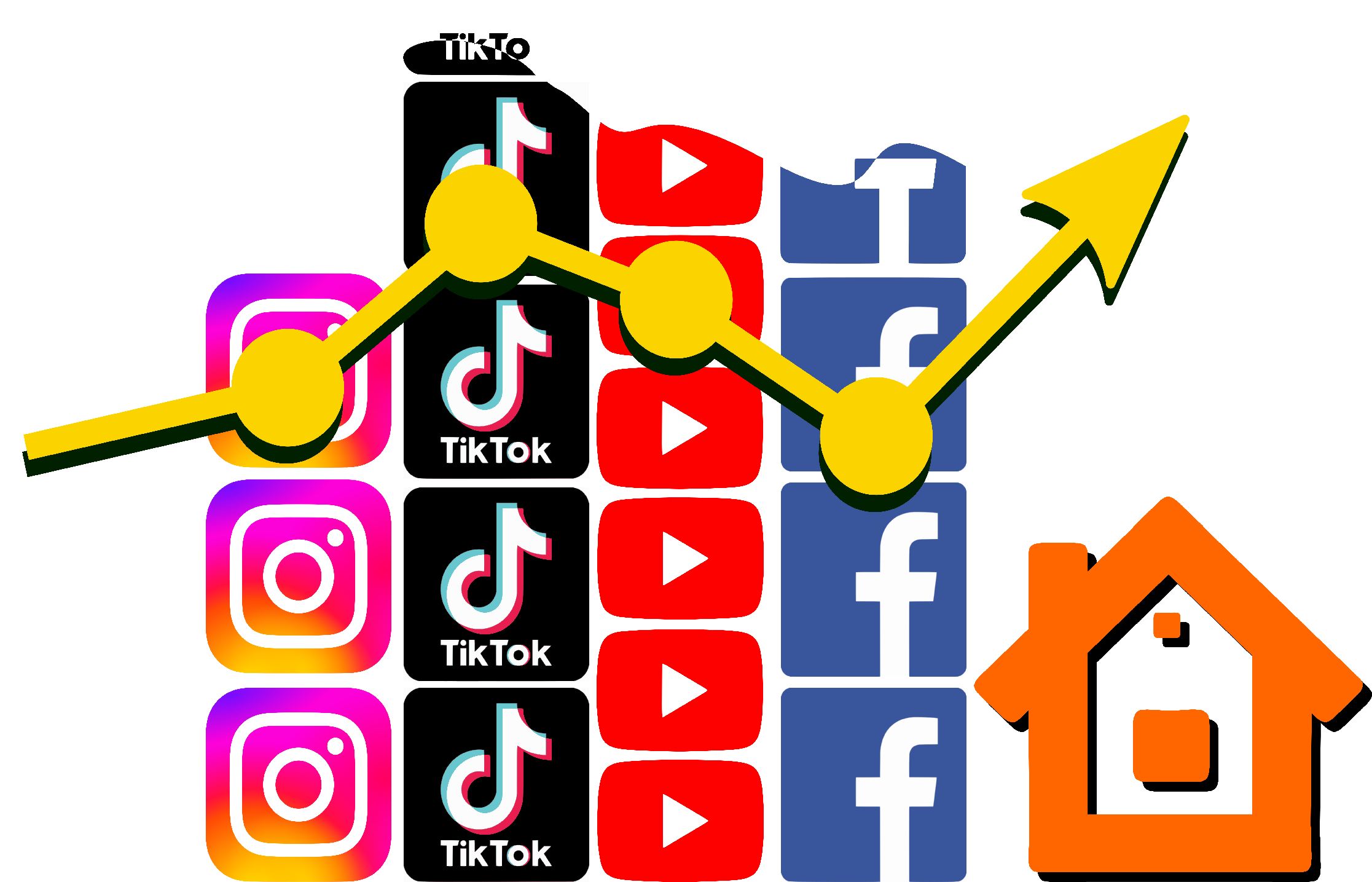
Our House in Numbers: One Week, 1.23 Million Views, Nearly 25,000 Interactions
One week of digital human rights advocacy reached more than 1.23 million people across major platforms. During the past week, Our House Centre for Human Rights and Relief generated 1,237,883 views across Facebook, Instagram, YouTube, TikTok and partner media channels. During the same period, audiences recorded 24,748 interactions through likes, comments, shares and other forms…
-
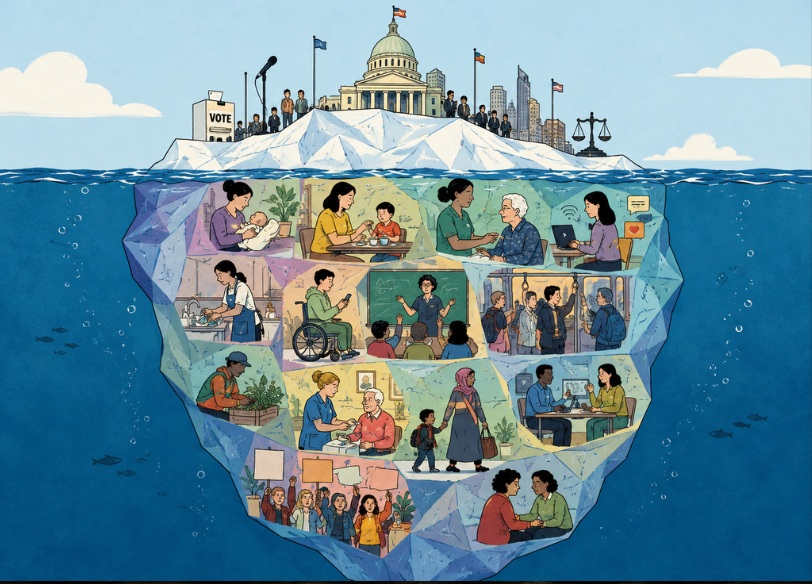
What Is Politics? Beyond Institutions and Elections
Politics is more than governments, elections and institutions. This article explores how feminist political thought redefines the political by connecting everyday life, care, lived experience and social relations with democracy, power and participation—revealing where political change truly begins. Politics is often reduced to elections, governments and institutions—but this leaves much of democratic life unexplained. This…
-

Inputs for OHCHR Conscientious objection to military service in Lithuania
The expansion of conscription in Lithuania undermines the right of Lithuanians to conscientious objection to military service, while Belarusian and Russian conscientious objectors seeking asylum in Lithuania face serious risks with regard to both access to asylum and personal security January 15, 2026 Brief summary In recent years, Lithuania has significantly expanded its compulsory military…
-

Vilnius Begins to See the Neris as a River, Not a Military Asset
In recent years, the Neris River has become the subject of an unusual public debate. Alongside efforts to preserve its unique ecosystem, proposals emerged to transform the river into a transport corridor for wartime evacuation. Among the ideas discussed were large-scale river engineering works intended to make the Neris navigable for evacuating the population of…
-
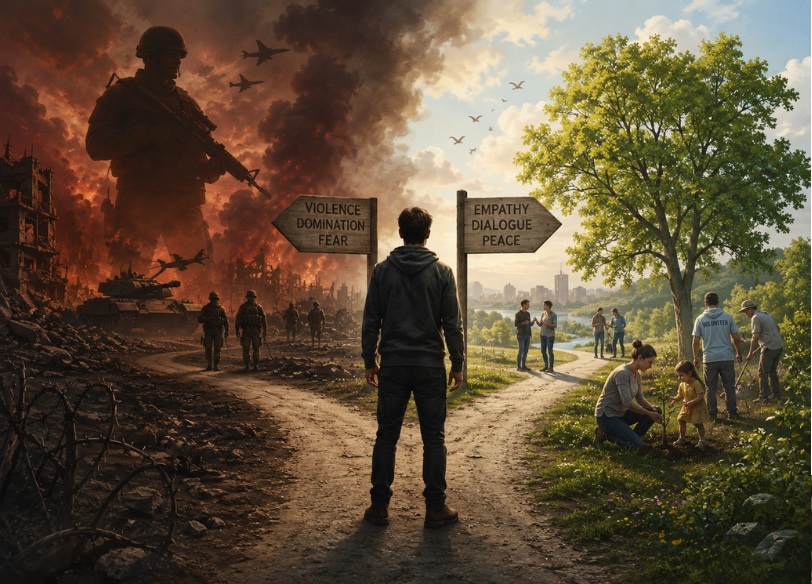
The War in Ukraine and the Crisis of Masculinity: Impacts on Society and the Path to Peacebuilding
How does war reshape ideas of manhood—and why does that matter for peace? This analysis explores how the war in Ukraine reinforces militarized masculinity, deepens social divisions, fuels violence against women, and marginalizes those who reject aggression, while highlighting pathways toward inclusive peacebuilding. The war in Ukraine has intensified more than armed conflict—it has accelerated…
-
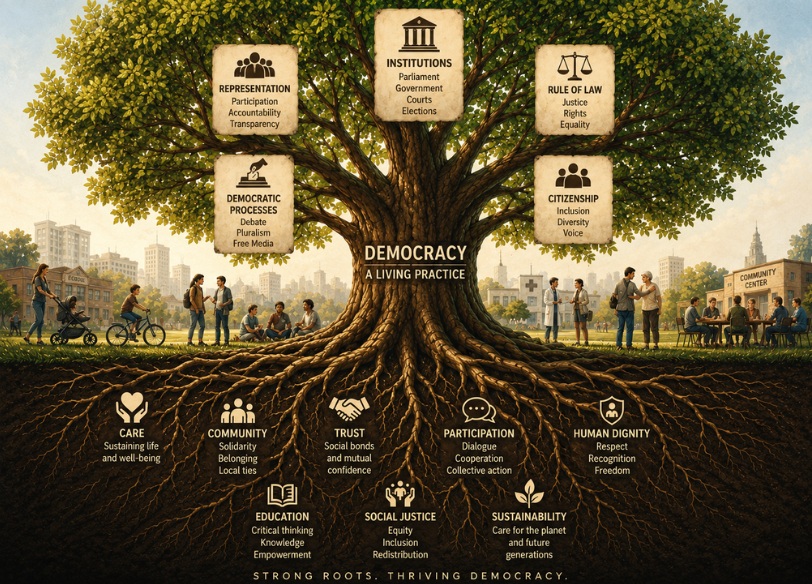
OUR HOUSE: Rethinking Politics Through Feminist Perspectives
Democracy is shaped not only by institutions but by everyday life. This essay explores how feminist political analysis broadens conventional understandings of democracy, security, peace and participation, arguing that care, lived experience and social relations are essential to building resilient, inclusive and democratic societies. Introduction Contemporary political analysis continues to rely predominantly on institutional frameworks…
-
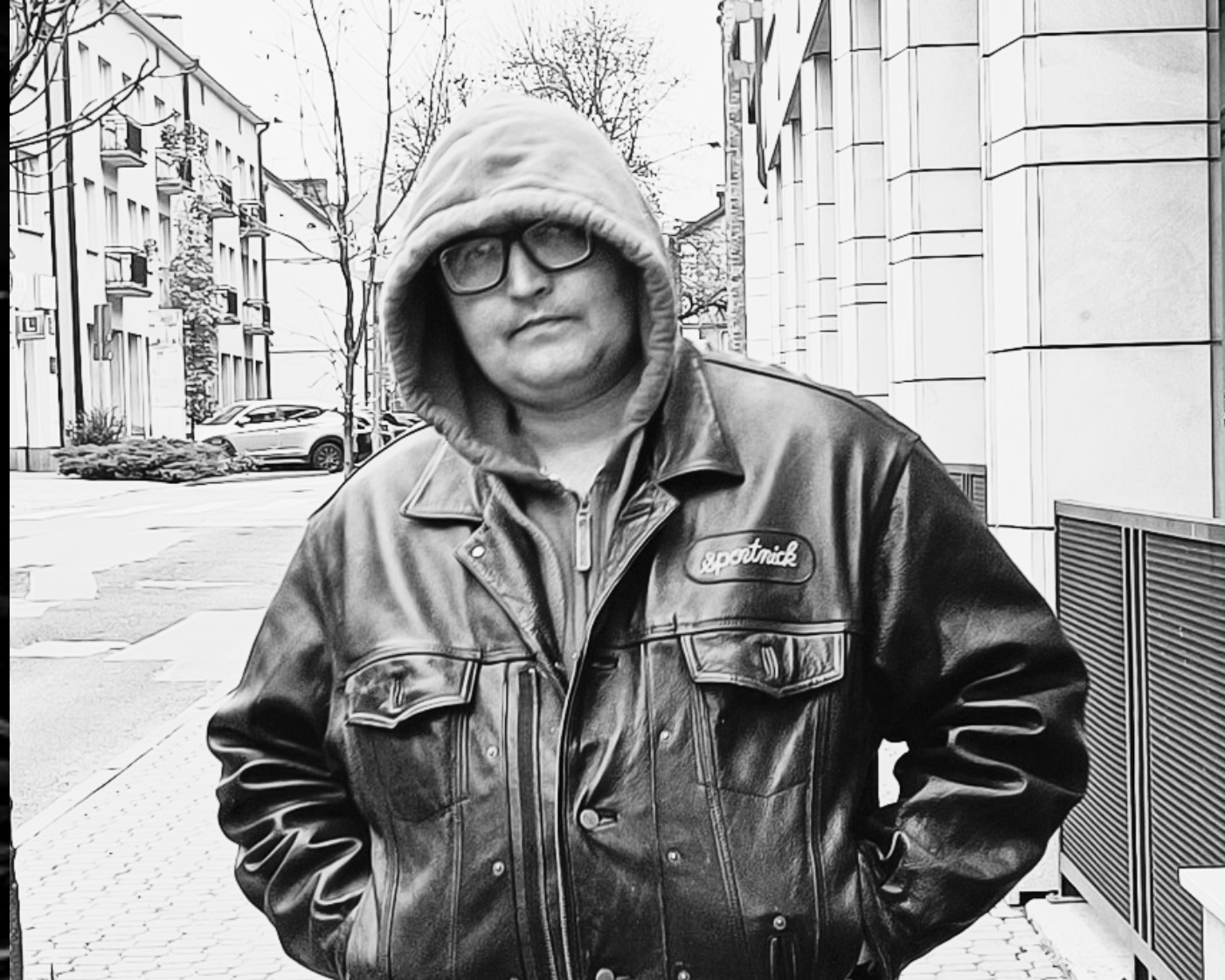
Call to Action: Seeking Justice for the Murder of Political Cartoonist Semyon Skrepetsky
Russian political cartoonist and artist Semyon Skrepetsky was shot dead in Poland after years of criticizing war, authoritarianism, and political violence. This appeal calls on European institutions to ensure an independent investigation and to address the broader threats facing artists, journalists, and political exiles across Europe. The killing of Semyon Skrepetsky raises questions that extend…
-

The European Parliament Supports Our House’s Campaign for the Release of Aliaksandra Pulinovich
The European Parliament has demanded the immediate release of Aliaksandra Pulinovich and all political prisoners in Belarus. On 18 June 2026, the European Parliament adopted a resolution on the situation of political prisoners in Belarus, paying particular attention to the case of the minor political prisoner Aliaksandra Pulinovich. Members of the European Parliament demanded her…
-
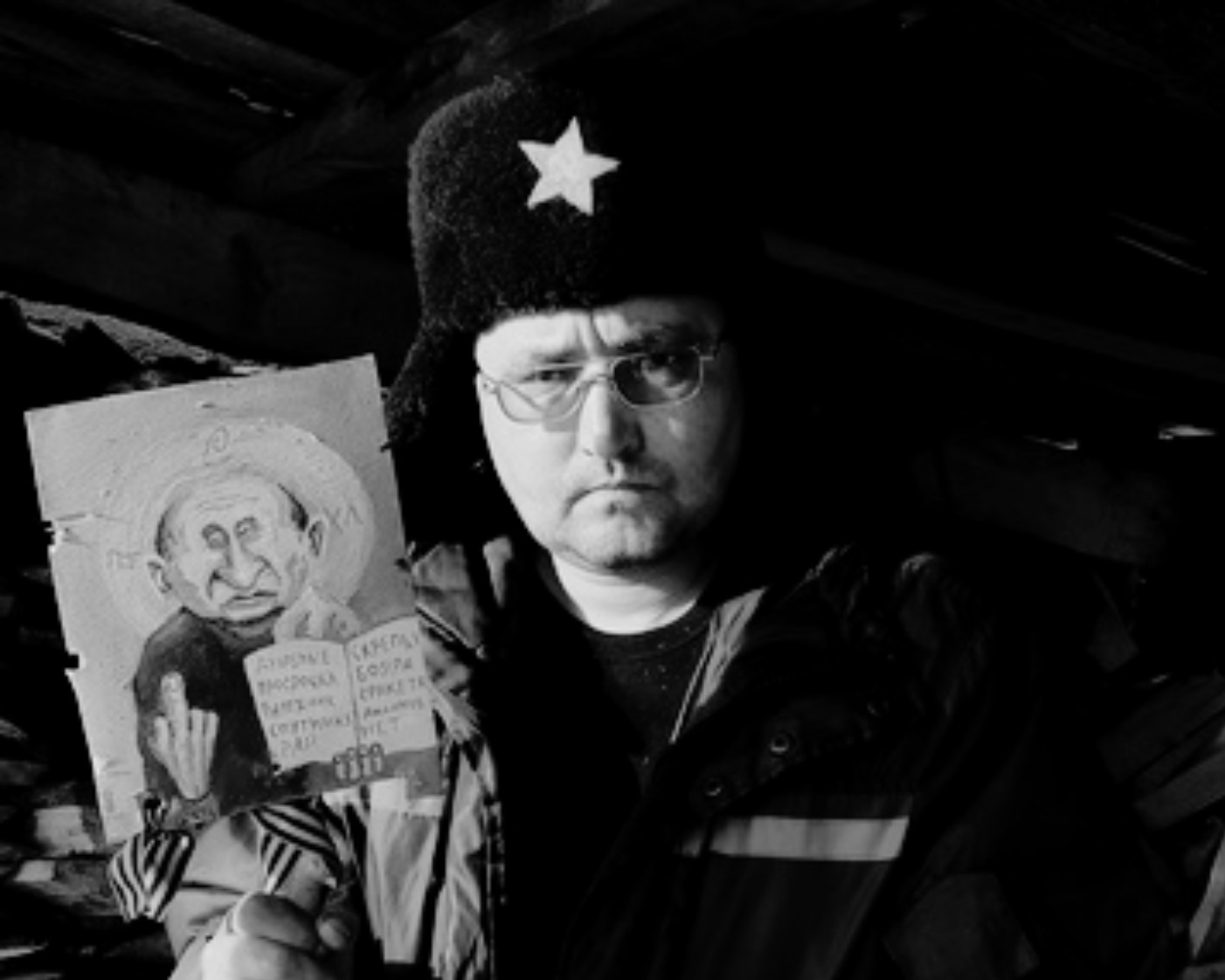
Killing of Artist Semyon Skrepetsky in Poland: Rights Defenders Urge UN Scrutiny of Public Exposure of Personal Data
A Belarusian human rights organisation in exile has appealed to UN Special Rapporteurs following the killing of artist and political cartoonist Semyon Skrepetsky in Poland. The appeal asks whether publicly accessible databases containing personal information can endanger artists, journalists, and political exiles. This communication was submitted to several UN Special Rapporteurs in response to the…
-

Formal Compliance with the WFD Without Full Achievement of Environmental Objectives (Lithuania)
Lithuania meets EU water policy requirements, yet many rivers still fail ecological standards Country: Lithuania (in the EU context) Problem formulation As an EU Member State, Lithuania formally complies with the requirements of the Water Framework Directive (WFD), including the development of river basin management plans, the implementation of monitoring programmes, and the submission of…