
karach
-

Olga Karach earned the highest trust among the followers of the channel “Belarusitis”
Olga Karach, human rights defender and Director of the Belarusian human rights and peace organisation “Our House,” received a 51% trust rating among followers of the Telegram channel “Belarusitis ” which can also be rendered as “Cerebral Belarus”. This channel is one of the main outlets within Sviatlana Tsikhanouskaya’s propaganda network, known for spreading misleading…
-

September 2025 “Our House” Social Media Platforms: about 3.0 million views
In September 2025, exiled Belarusian human rights group Our House reached 3 million people organically — with zero budget, only truth The total combined (across TikTok, YouTube, Facebook, and Instagram) reach of Our House across all social networks in September 2025 amounted to approximately 3.0 million organic views. Our House is not a media outlet.…
-
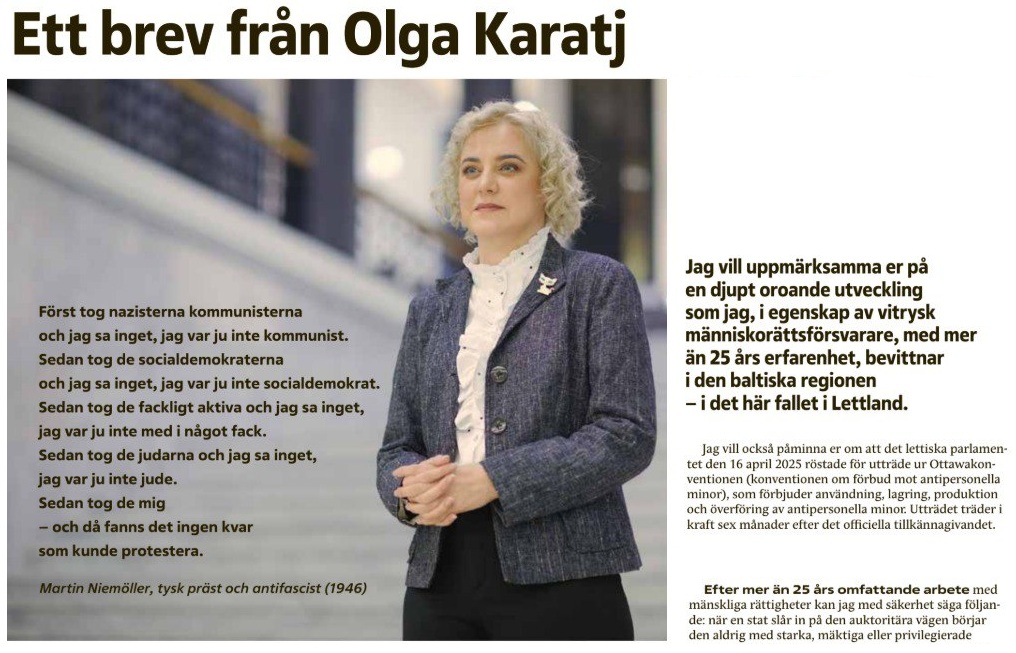
Olga Karach in issue No. 6 of the Swedish activists’ magazine Ställ om! (November 2025)
A Swedish activist-run magazine, distributed among religious communities, ecological movements, peace advocates, and human rights defenders, has published a substantial interview with Belarusian human rights defender Olga Karach, director of the Belarusian human rights organization Our House, operating in exile. The interview opens with the well-known words of German pastor and anti-fascist Martin Niemöller (1946):…
-
SECURITIZING RHETORIC AND DISCRIMINATORY STATEMENTS BY LITHUANIAN OFFICIALS REGARDING BELARUSIANS (2020–2025)
The report documents 2020–2025 rhetoric by Lithuanian officials casting Belarusians as security threats—without evidence—contrary to EU rights norms. I. Introduction This document records instances of securitizing and discriminatory rhetoric, as well as public statements and official comments made by Evelina Gudzinskaitė, Head of the Migration Department of Lithuania, that display signs of bias and xenophobia…
-
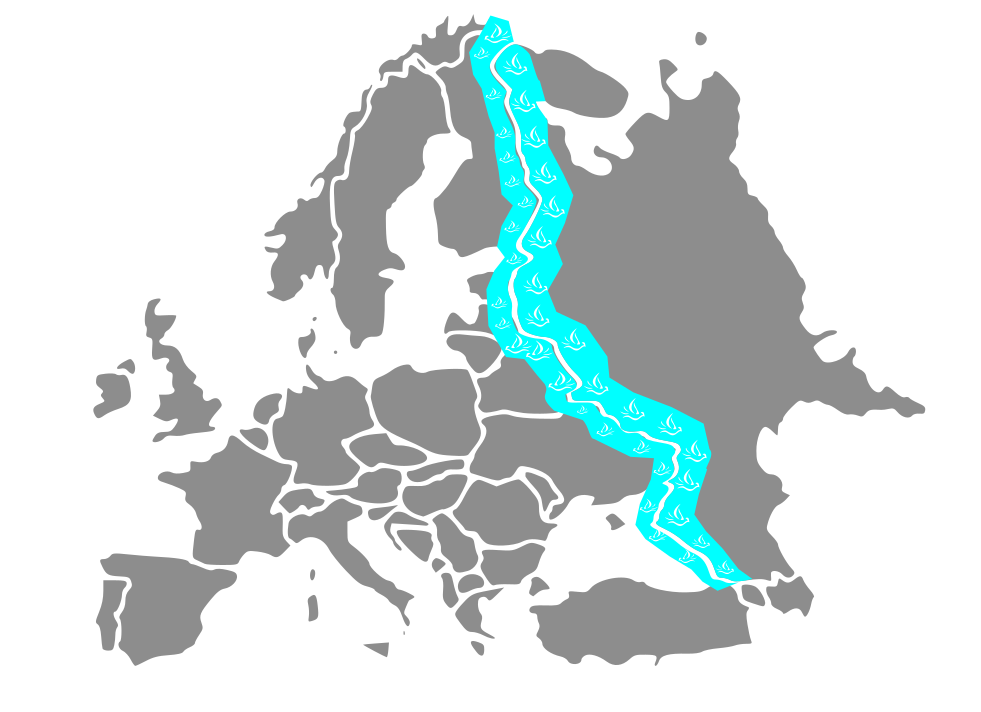
Strategy for Building the “Peace Line” (“Peace Corridor”)
Along the “Front Line” in Eastern Europe, affected by the War in Ukraine. Amid rising militarization, the Peace Line proposes a 60–100 km demilitarized corridor with disarmament, dialogue, and civil society at its core. Content: 1. Introduction The region of Eastern Europe (Belarus, Russia, Ukraine, the Baltic States, and Poland) is experiencing intensified militarization, escalating…
-
Selective Application of Security Criteria and the Suspension of Belarusian Naturalization in Lithuania (2019–2024)
2019–2024 data show Lithuania froze Belarusian naturalization—betraying the “safe haven” pledge and institutionalizing persecution on the basis of nationality. 1. Introduction In 2020–2021, Lithuania publicly declared its readiness to become a “haven for Belarusians fleeing the Lukashenko regime.” However, the official statistical data of the Lithuanian Migration Department, the Ministry of the Interior, and the…
-
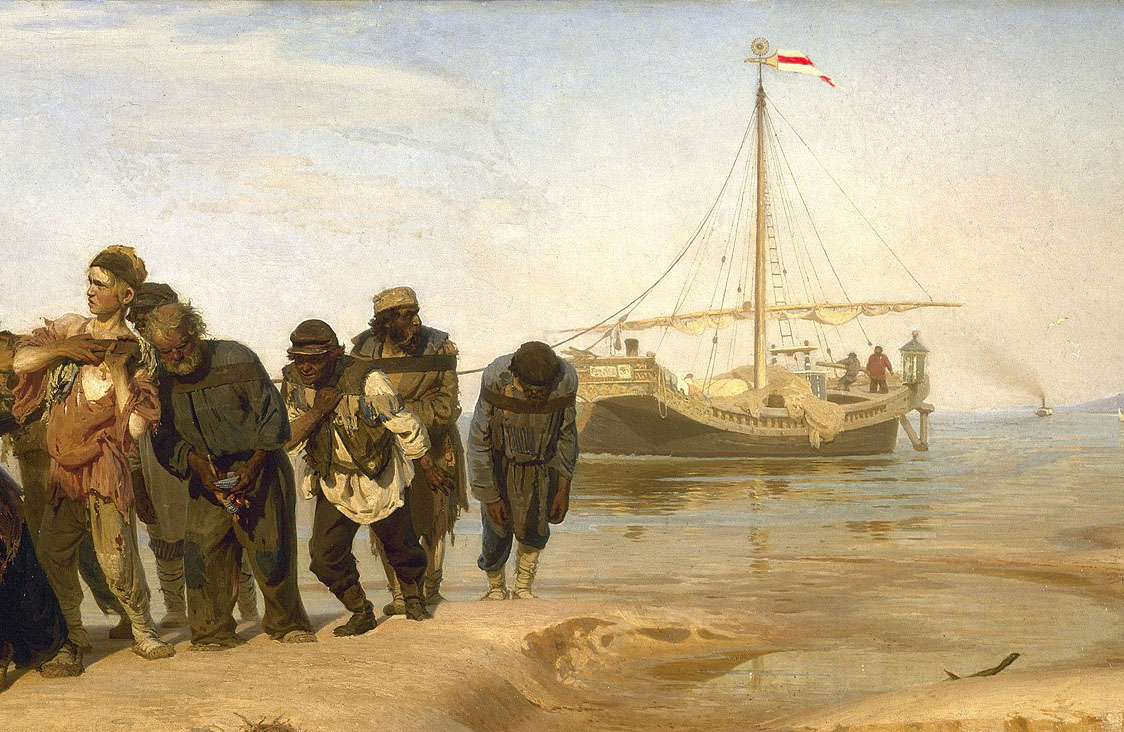
Between the Promise of Asylum and the Practice of Expulsion: Lithuania’s Humanitarian Paradox for Belarusians
Lithuania calls itself a safe haven for Belarusians, yet 2019–2025 data show rising refusals and net exits—turning asylum promises into quiet expulsion. Statistical Data and Trends (2019–2025) SummaryThe public rhetoric of Lithuanian authorities and officials presents Lithuania as “the safest haven” and “the most welcoming and attractive EU country” for Belarusians fleeing political and military…
-

House of Peace – Vision and Objectives
In Vilnius, the House of Peace is a civic home where dialogue, art and care replace fear and war—making peace visible and replicable. International Centre for Civil Initiatives “Our House”Vilnius, Lithuania Concept The House of Peace in Vilnius forms part of the emerging Peace Infrastructure of Eastern Europe — a civil, cultural, and ecological response…
-
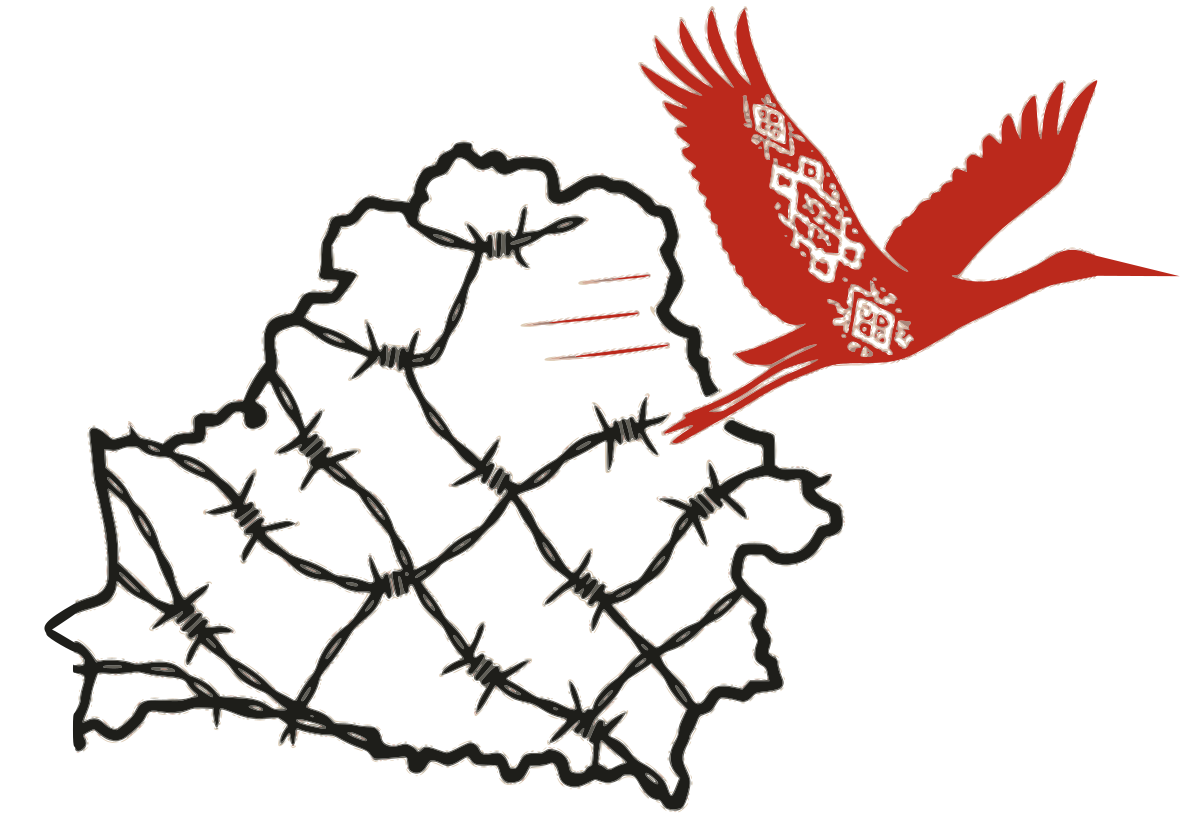
Monitoring: Mass Departure of Belarusian Men of Conscription Age After the Beginning of the War (2022-2025)
Since Russia’s 2022 invasion, Belarus has seen an unprecedented exodus of draft-age men. Fearing mobilization, repression and sanctions-driven decline, tens of thousands left for the EU, the Caucasus, Turkey and Central Asia. Court records and residence-permit data confirm a sustained outflow reshaping the labor market, draining skills and building new diasporas. Introduction and Causes of…
-
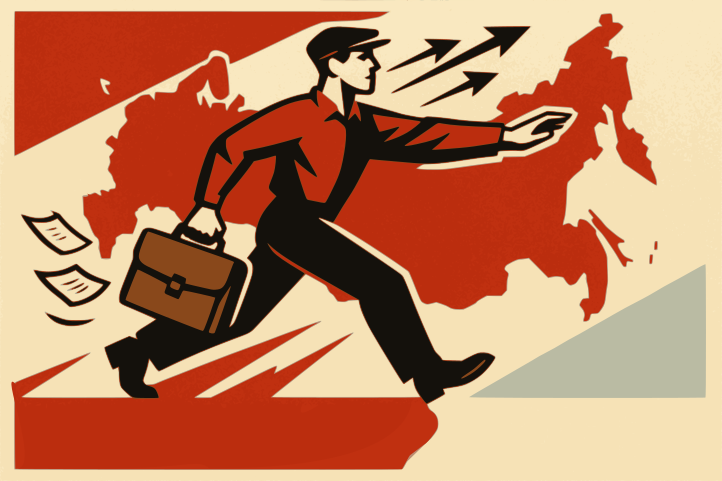
Mass Emigration of Young Russians Following the Outbreak of War (2022–2023)
Russia’s full-scale invasion of Ukraine sparked the largest youth exodus since 1917: between 2022–2023, an estimated 0.5-1 million – mainly draft-age men – left in three waves driven by repression, isolation, and mobilization. Bound for Georgia, Armenia, Kazakhstan, Turkey and beyond, they reshaped host economies while deepening Russia’s brain drain. The start of Russia’s full-scale…
-

Protection & Solidarity Campaign
Protect the most vulnerable–children, women, cultural workers, and nature—through legal aid, advocacy, and cross-border solidarity amid war. “Our House”, International Centre for Civil Initiatives Introduction The war in the region has dramatically worsened the situation of already vulnerable groups, many of whom remain invisible in the current humanitarian and political agendas. These are not abstract…
-
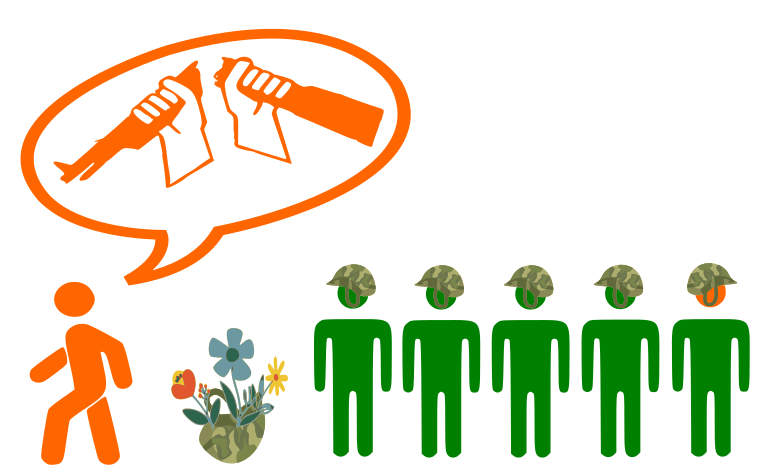
No Means No Campaign
Defends Belarusians’ right to refuse military service, resist mobilization, and lay down arms—without criminalization. (In Defense of the Right of Belarusians to Refuse Military Service and to Lay Down Arms) Introduction Our House stands for the fundamental human right to freedom of conscience, the right to refuse to participate in war, and the right not…
-
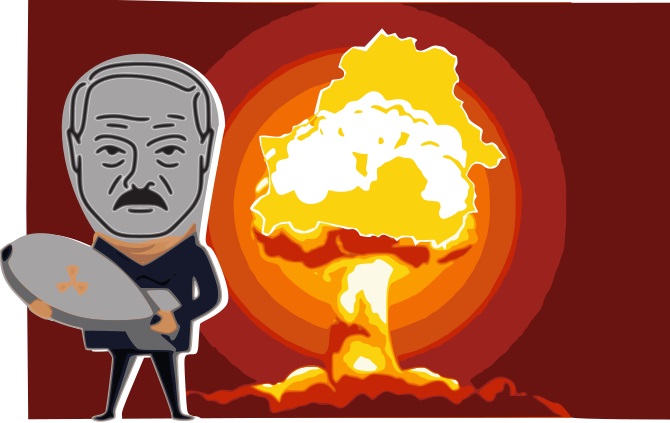
Stop BY Nukes Campaign
Restore Belarus’s nuclear-free status–remove Russian nukes, join the TPNW, and anchor peace in binding international law. Introduction. Belarus was once a symbol of nuclear disarmament and peace: after the dissolution of the USSR, it became the first state to voluntarily renounce and remove all nuclear weapons from its territory, joining the Budapest Memorandum of 1994…